UK Betting Participation Steady at 10% as Horse Racing Dips Sharply, Late 2025 Gambling Survey Reveals
Erik Wagner · Mar 13, 2026

UK Betting Participation Steady at 10% as Horse Racing Dips Sharply, Late 2025 Gambling Survey Reveals
Overview of the Latest Gambling Survey Findings
The UK Gambling Commission has dropped fresh data from the Gambling Survey for Great Britain, covering the period from July to October 2025, and what's clear right away is that betting remains a solid player in the nation's gambling landscape, with 10% of adults reporting they'd placed a bet in the past four weeks. That figure breaks down sharply by gender, landing at 16% for males and just 4% for females, underscoring patterns observers have tracked for years; meanwhile, betting slots in as the third most popular gambling activity overall, trailing only lottery draws and scratchcards, which continue to dominate the field.
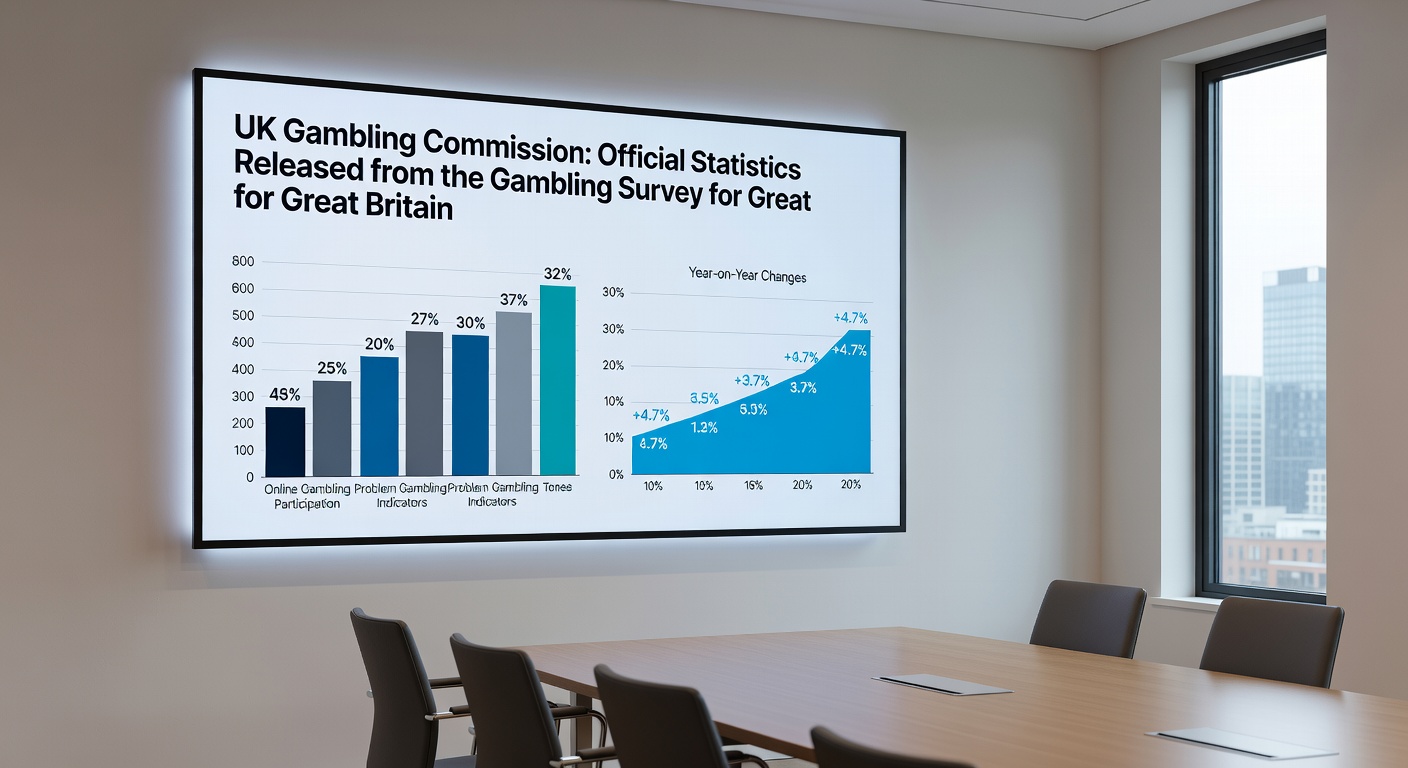
But here's the thing: while overall betting participation holds that 10% line, not all segments move in lockstep, as horse race betting takes a noticeable hit, dropping to 4% from 7% in the previous survey wave, a shift that's got experts poring over the numbers in March 2026 to gauge longer-term trajectories. Online sports and racing betting, on the other hand, stays rock steady at 8%, and in-person betting ticks along at 3%, suggesting digital platforms keep their grip even as regulatory tweaks reshape the industry.
Breaking Down Betting by Demographics and Channels
Data from this third wave of the survey paints a detailed picture of who bets and how, with males leading the charge at 16% participation compared to females at 4%, a gap that persists across multiple waves and highlights how cultural factors, access points, and marketing play into these divides. Researchers note that this disparity isn't new, yet it holds firm, even as broader gambling habits evolve under stricter oversight from bodies like the Commission.
Take the channel split: online sports and racing betting at 8% mirrors the prior wave exactly, showing resilience in a space where apps and sites have become the go-to for quick wagers, while in-person betting at 3% reflects venues like shops and tracks that still draw a dedicated crowd, albeit a smaller one. And then there's horse racing specifically, where that plunge from 7% to 4% stands out like a sore thumb; experts who've studied racing's role in UK gambling point to factors such as fewer televised events, shifting viewer preferences toward football and other sports, and yes, those regulatory changes tightening affordability checks and advertising rules.
What's interesting here is how betting as a category—encompassing sports, racing, and more—claims that third-place spot behind lotteries and scratchcards, activities that often appeal more broadly because they're low-stakes, widely available, and don't demand the same level of engagement as placing a bet on a match or a horse. Figures reveal that this positioning holds steady, with betting's 10% participation rate keeping it relevant amid a diverse gambling ecosystem.
Horse Racing's Decline in Sharp Focus
That drop in horse race betting from 7% to 4% grabs headlines for good reason; it's the kind of shift that ripples through an industry reliant on tradition, with tracks, bookies, and even jockey clubs feeling the pinch as fewer adults dive in over the four-week window. Observers tracking these waves see this not as a blip but part of a trend where younger punters gravitate toward faster-paced sports like football or esports, while older fans—who've long propped up racing—face affordability barriers introduced by recent regulations.
Yet online sports and racing at 8% tells a different story, steady as she goes, because platforms blend racing with broader sportsbooks, making it easier to mix bets and keep users hooked; in-person at 3% hangs on through the social vibe of race days and high-street shops, but clearly struggles against the convenience of apps. People who've analyzed past surveys often discover that such stability in online channels offsets declines elsewhere, keeping the overall 10% betting rate intact.
And consider the timing: this July-to-October slice captures late summer and early autumn, prime for football seasons kicking off and racing calendars winding down, so the data lands with real-world context, especially as March 2026 brings fresh scrutiny on how these patterns hold up post-holidays and into spring events.
Context of Regulatory Changes Shaping Trends
These statistics emerge against a backdrop of evolving rules, where the Gambling Commission has ramped up measures like financial vulnerability checks, stake limits on slots, and advertising curbs, all aimed at curbing problem gambling while the industry adapts. Turns out, betting's third-place ranking persists despite this, with its 10% adult participation (16% men, 4% women) signaling that core appeal— the thrill of prediction, live action—endures, even if horse racing specifically cools to 4%.
Experts have observed how online steadiness at 8% aligns with operators shifting budgets to digital compliance and user protections, whereas in-person's 3% might reflect fewer casual walk-ins deterred by ID checks or session reminders. One study from prior waves revealed similar patterns, where regulatory pressure slows growth but doesn't crater participation, particularly in sports betting that ties into major events like Premier League matches or international tournaments.
So as the survey data rolls out in early 2026, analysts in March connect dots to upcoming affordability protocols set for wider rollout, wondering if betting's 10% foothold weathers further changes; after all, lotteries and scratchcards lead because they're less affected, being National Lottery products with their own oversight.
Comparing to Previous Waves and Broader Insights
Looking back, the previous wave's 7% horse race figure versus this 4% marks a clear downturn, while online's flat 8% and in-person's consistent 3% suggest betting channels diversify rather than contract overall. Data indicates that the 10% total keeps betting ahead of activities like casino games or bingo, cementing its bronze medal status behind the ubiquitous lottery and scratchcards.
Those who've pored over multi-wave trends notice how gender splits—16% males versus 4% females—echo across years, with males favoring sports and racing, females leaning elsewhere, although betting's broad umbrella captures both. It's noteworthy that this four-week recall period standardizes comparisons, capturing recent habits amid a regulatory environment that's anything but static.
But here's where it gets interesting: as March 2026 unfolds, with tax discussions and black market worries in the air, this survey provides a benchmark, showing betting's resilience at 10%, horse racing's vulnerability at 4%, and online's anchor at 8%, all while in-person chugs at 3%.
Implications for the Gambling Landscape
Figures from the Gambling Survey for Great Britain don't just tally numbers; they spotlight where money and attention flow, with betting's 10% participation underscoring its cultural staple status, third after lottery draws and scratchcards that boast higher, more inclusive rates. The horse race dip to 4% prompts questions about revitalization efforts, like streaming partnerships or youth outreach, yet online stability at 8% shows adaptation in action.
Researchers discover that such data guides policy, informing everything from advertising limits to operator licenses, especially as gender disparities (16% men, 4% women) flag targeted interventions. And with in-person at 3%, the shift to digital feels inevitable, although tracks and shops won't vanish overnight.
Conclusion
In wrapping up this wave's insights, the UK Gambling Commission's statistics confirm betting's enduring 10% hold among adults—16% for males, 4% for females—ranking third behind lottery draws and scratchcards, even as horse race participation falls to 4% from 7%, online sports and racing steady at 8%, and in-person at 3%. These July-to-October 2025 numbers, analyzed afresh in March 2026, reveal a landscape in flux amid regulatory evolution, offering a factual snapshot of habits that shape the industry's next moves.