Reward Stacking Mechanics: Tracing How Free Credit Layers and Multiplier Boosts Interact Across Unified Wagering Platforms
Erik Wagner · Aug 17, 2026
Reward Stacking Mechanics: Tracing How Free Credit Layers and Multiplier Boosts Interact Across Unified Wagering Platforms
Unified wagering platforms combine sportsbook and casino features under one account, and reward stacking mechanics determine how free credits combine with multiplier boosts to shape play sessions. Data from industry reports shows operators structure these layers so users can apply welcome credits, ongoing promotions, and odds enhancements in sequence, yet each platform sets distinct rules for eligibility and conversion.
Layered Credit Systems in Hybrid Environments
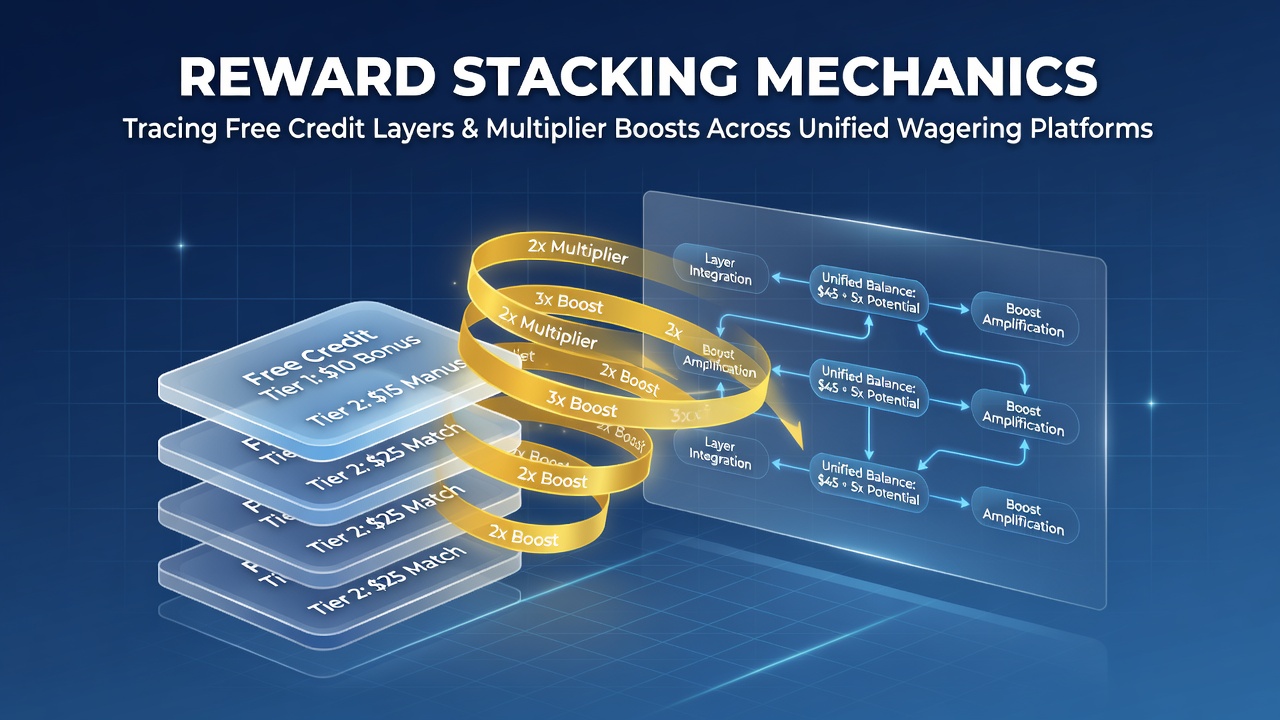
Free credit layers typically begin with a no-deposit allocation that appears in a player's balance after registration, and this initial sum often carries separate wagering requirements from deposit-matched funds. Operators segment these layers by expiry dates and game-type restrictions, while players notice that casino spins and sports wagers draw from the same pool yet trigger different multiplier calculations. Research from academic studies on digital gambling interfaces indicates that platforms maintain separate ledgers for each credit type to prevent overlap violations, and this separation allows multipliers to apply selectively to the highest-value layer first.
Take one operator that introduced a three-tier credit system in early 2026: the base free bet sits at the bottom, a deposit bonus occupies the middle, and an odds-boost token activates on top. When a user places a wager, the system checks the active layers in order, applies the multiplier to the qualifying stake, and deducts from the uppermost layer until it depletes. Observers note this sequential processing reduces disputes, yet it also means players must track which credit remains eligible for the boost at any moment.
Multiplier Boost Interactions and Platform Algorithms
Multiplier boosts function as percentage or fixed-value enhancements that attach to either free credits or real-money stakes, and unified platforms run algorithms that scan active promotions before each bet. According to figures from the Nevada Gaming Control Board, operators in regulated markets must log every multiplier application to ensure transparency, and these logs reveal that stacking occurs most frequently when a free credit layer meets an odds-enhancement token on the same event. The algorithm prioritizes the boost that yields the largest payout, then records the outcome against the remaining credit balance.
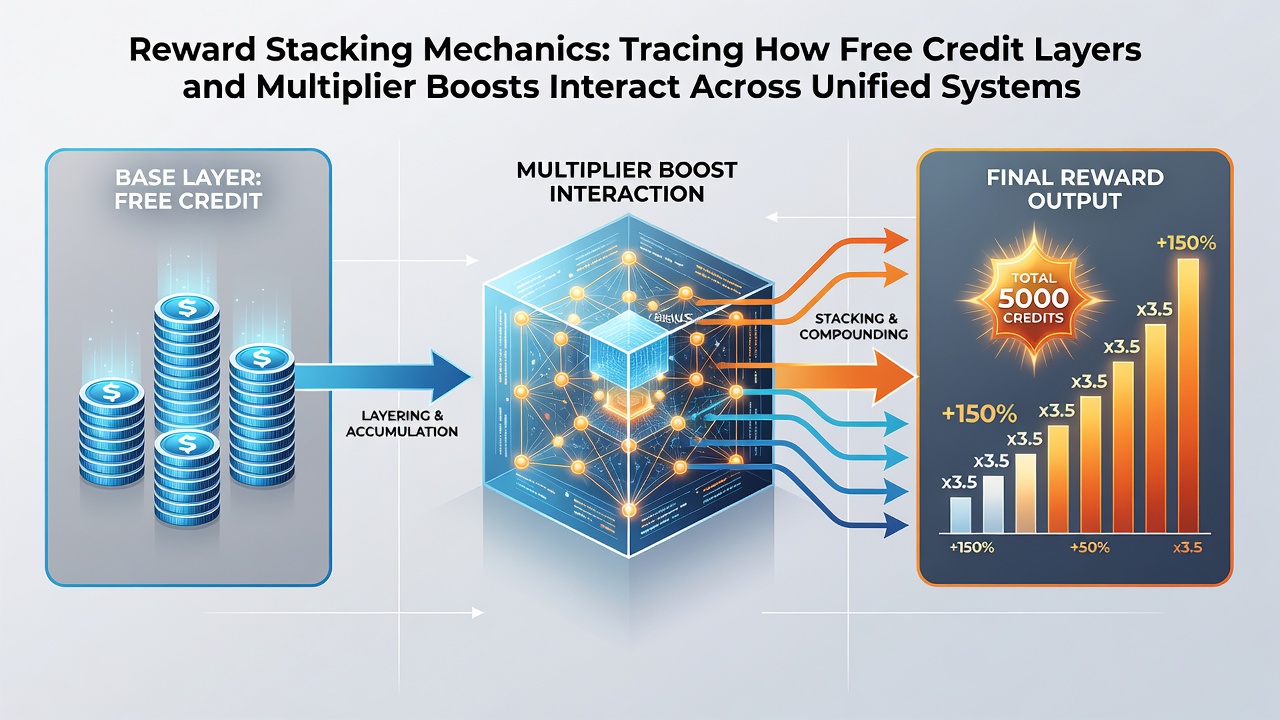
Yet not every combination survives the platform's validation step. Some systems automatically disable stacking when a free credit already carries an internal multiplier, and this safeguard appears in August 2026 updates across several major operators. Data from the Malta Gaming Authority shows that such restrictions keep total payout ratios within licensed limits, while users who attempt to combine incompatible layers receive an on-screen notice before the wager confirms. Researchers at university-affiliated gambling labs have documented that these automated checks reduce player complaints by approximately 18 percent in the months following implementation.
Cross-Product Stacking Across Sports and Casino Sections
Unified platforms allow credits earned in the casino section to transfer toward sports wagers, and the reverse path operates under similar rules. A free spin reward that converts to cash can then receive a sportsbook odds boost, provided the player meets the platform's minimum odds threshold. Industry reports from the Canadian Gaming Association highlight that transfer mechanics vary by jurisdiction, with some markets requiring a 1x playthrough on the converted amount before boosts activate. Players who navigate these transfers correctly often extend playtime without additional deposits, whereas missteps trigger automatic resets of the multiplier eligibility.
One documented case from an Australian regulatory review in mid-2026 involved a platform that permitted stacking of a no-deposit casino credit with a live-betting multiplier on a single football match. The system applied the boost first to the credit layer, then converted any winnings into withdrawable funds after the required turnover. This sequence produced measurable increases in session length, and subsequent data showed higher engagement rates among users who understood the order of operations.
Conclusion
Reward stacking mechanics on unified wagering platforms rely on sequential credit layers and selective multiplier application, and regulatory bodies across multiple regions continue to monitor these systems for compliance. Operators refine their algorithms each quarter, incorporating feedback from user behavior logs and licensing requirements. Those who study platform mechanics find that clear documentation of stacking rules improves transparency, while the interplay between free credits and boosts remains a core feature of hybrid gambling environments.