Reward Pathways Mapped: Digital Wallets and Tiered Credits on Licensed British Betting Platforms
Erik Wagner · Jun 1, 2026
Reward Pathways Mapped: Digital Wallets and Tiered Credits on Licensed British Betting Platforms
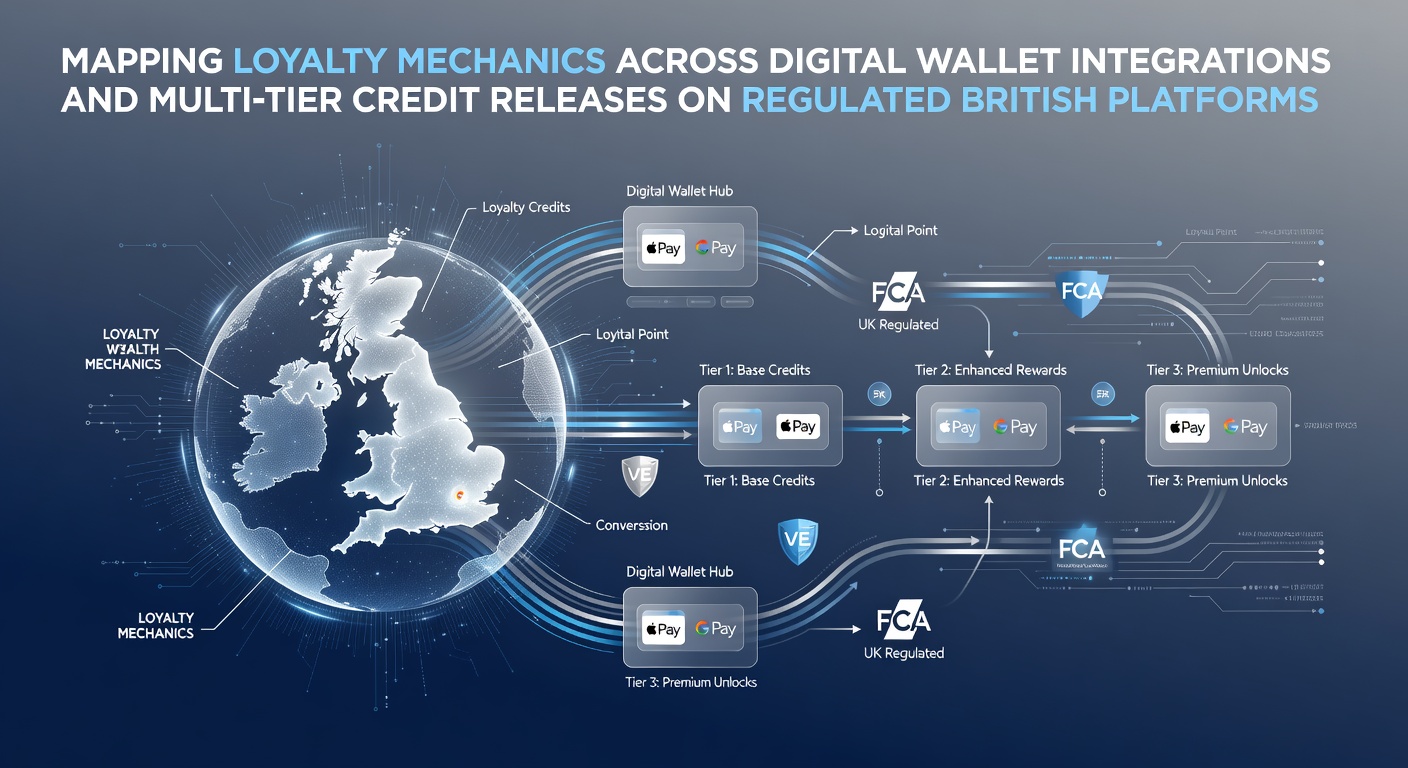
Operators on regulated British platforms have built loyalty systems that link directly to digital wallet functions, allowing points and credits to move through accounts without separate manual transfers. These setups combine instant wallet deposits with automated tier tracking, so users accumulate rewards as they wager across slots, sports, and table games.
Wallet Connections Driving Point Accumulation
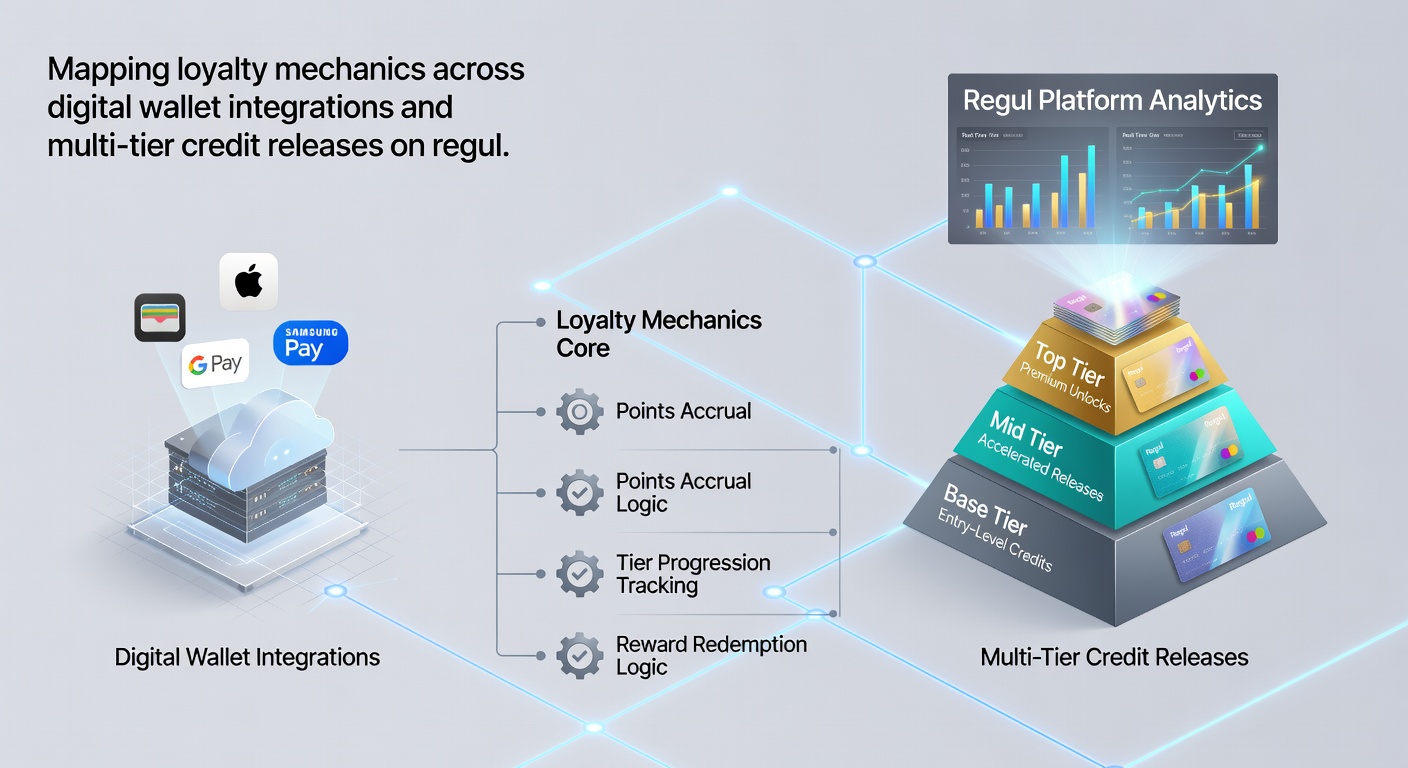
Digital wallets such as PayPal, Apple Pay, and bank-linked apps feed transaction data straight into loyalty engines on major sites. When a deposit lands through one of these channels, the system logs the amount and applies tier multipliers immediately, whereas manual bank transfers often sit in pending states for hours before points register. Observers note that this real-time sync reduces friction and keeps players inside the same ecosystem for both funding and reward redemption.
Studies from the European Gaming and Betting Association show wallet-based deposits now account for over 60 percent of activity on compliant UK operators. The integration works because wallet providers share verified transaction IDs that loyalty software reads automatically, triggering credit releases at set thresholds. Platforms release these credits in staged batches tied to account age and total volume rather than single lump sums.
Multi-Tier Credit Structures in Practice
Tier systems on British platforms typically run across four or five levels, starting with entry rewards and scaling to VIP releases that unlock larger credit pools. Each tier carries specific release schedules: bronze users receive credits after 48 hours while platinum accounts see same-day drops once wagering targets clear. The mechanics rely on smart contracts embedded in the platform backend that monitor playthrough requirements and push credits to the linked wallet once conditions match.
One common pattern involves initial deposit matches that convert into loyalty points, followed by progressive credit releases based on monthly activity. Data from industry reports indicates that operators using this model saw retention rates climb 18 percent between January and June 2026 compared with flat bonus structures. Credits appear as balance top-ups inside the wallet interface, ready for immediate use on eligible games without extra verification steps.
Integration Challenges and Platform Responses
Regulated operators face technical hurdles when aligning wallet APIs with legacy loyalty databases. Some sites solved this by building middleware layers that translate wallet transaction codes into loyalty point values on the fly. This approach prevents duplicate entries and ensures credits release only after full compliance checks complete. Platforms that adopted these layers reported fewer support tickets related to missing rewards during the first half of 2026.
Multi-tier releases often include time-bound elements, where unused credits expire after 30 days unless players meet additional play requirements. The rules appear clearly in account dashboards, and automated reminders push notifications through the same wallet apps that handle deposits. This closed loop keeps users informed without requiring them to leave the primary interface.
Regulatory Alignment and Reporting Standards
British platforms must log every credit release through wallet channels for audit purposes, creating detailed trails that regulators review during compliance checks. These records track point conversions, tier upgrades, and final credit distributions in unified reports. Operators that maintain clean logs avoid delays when submitting quarterly returns to oversight bodies outside the direct gambling commission framework.
Research from the University of Nevada Gaming Research Center highlights how similar wallet-linked loyalty models in other jurisdictions reduced reconciliation errors by 25 percent. British operators have adapted those findings by adding extra verification layers at each tier boundary. The result appears in smoother credit flows and fewer disputes over delayed releases during peak periods such as major football tournaments.
Future Developments in Loyalty Mapping
Platform developers continue refining how wallet integrations handle cross-game loyalty tracking. Newer systems now tag credits with source identifiers so players see exactly which activities contributed to each release. This granularity helps operators adjust tier thresholds based on actual behavior patterns rather than broad averages. As of June 2026 several major sites began testing blockchain-backed ledgers for these records, aiming to speed up audit processes without compromising data security.
Those who have examined the shift note that wallet providers themselves are expanding APIs to support direct credit redemptions back into user accounts. This closes the loop between earning and spending rewards inside the same financial rail. The pattern suggests continued convergence between payment infrastructure and loyalty mechanics on regulated British platforms over the coming quarters.
Conclusion
Digital wallet integrations and multi-tier credit releases now form core components of loyalty programs on licensed British betting platforms. The mechanics rely on automated data exchange, staged release schedules, and strict compliance logging to maintain transparency. As these systems evolve through 2026, operators and users alike benefit from faster, more traceable reward flows that align with existing regulatory expectations.