Regulatory Shifts Prompting Customized Loyalty Rewards in Established Gambling Operators
Alex Simmons · Jun 4, 2026

Regulatory Shifts Prompting Customized Loyalty Rewards in Established Gambling Operators
Regulatory adjustments across multiple jurisdictions continue to reshape how established gambling operators structure their player retention programs, with many firms moving toward highly personalized incentive models that align with new compliance standards, and data from industry reports shows these changes gained momentum through the first half of 2026.
Operators in mature markets have responded by refining loyalty frameworks that tie rewards more closely to individual player behavior while adhering to stricter advertising and bonus disclosure rules, according to findings from the Canadian Gaming Association. This approach allows companies to maintain engagement without running afoul of updated responsible gambling mandates that took effect earlier in the year.
Key Regulatory Drivers Behind the Shift
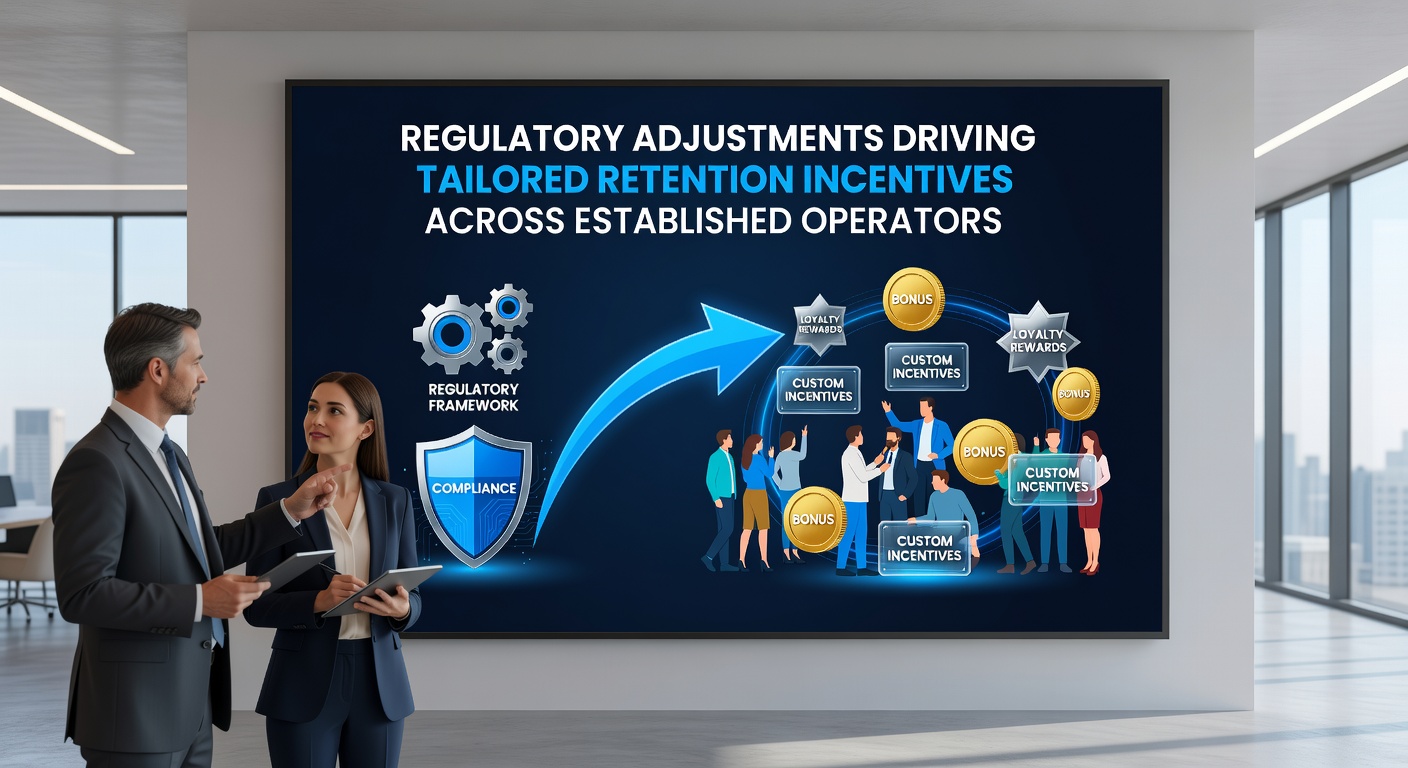
Changes in bonus transparency requirements have forced operators to replace broad promotional campaigns with segmented offers that deliver value based on verified player history and risk profiles, and analysts tracking these developments note the adjustments coincide with enforcement actions announced in several regions during June 2026. Established firms now prioritize retention tools such as tiered cashback structures and personalized free bet allocations that can be adjusted in real time to meet both regulatory caps and player preferences.
Research from academic institutions including studies published by the University of Nevada Reno's gaming research center indicates that operators using data-driven segmentation have reduced bonus-related compliance issues by significant margins compared to those relying on uniform promotions. The same reports highlight how these tailored systems help operators navigate deposit limit rules and wagering requirements that differ across state and national boundaries.
Implementation Patterns Among Major Operators
Leading companies have introduced dynamic loyalty tiers that adjust reward rates based on recent activity levels and compliance scores, creating incentives that evolve alongside regulatory updates rather than remaining static. Observers note this flexibility proves especially useful in environments where tax rates on gambling revenue have increased, forcing operators to extract more efficiency from their marketing budgets through precise targeting.
Case examples from European and North American markets show operators deploying AI-assisted systems that generate individualized offers while automatically flagging any that might breach new disclosure standards, and this technology integration accelerated noticeably after policy briefings released in spring 2026. Retention metrics from these implementations reveal higher repeat engagement rates when incentives match specific player segments instead of applying blanket terms across entire user bases.
Impact on Player Engagement and Compliance
Evidence from industry tracking services demonstrates that operators adopting personalized retention strategies report improved player lifetime value figures alongside stronger adherence to responsible gambling protocols. These outcomes stem from the ability to limit bonus exposure for high-risk accounts while enhancing rewards for lower-risk segments that demonstrate consistent, moderate play patterns.
What's interesting is how these adjustments also influence cross-border operations, where firms must reconcile differing rules on bonus structures and promotional content. Reports from the World Gaming Federation detail how multinational operators now maintain separate incentive libraries for each regulated market to ensure full compliance without sacrificing retention effectiveness.
Future Outlook for Retention Strategies
Projections from regulatory monitoring groups suggest continued refinement of these tailored systems through the remainder of 2026 and into 2027, particularly as new data privacy rules intersect with existing gambling regulations. Operators continue investing in compliance technology that supports granular reward customization while generating audit trails required by oversight bodies.
Conclusion
Regulatory adjustments have clearly catalyzed a move toward more sophisticated, player-specific retention incentives among established operators, with measurable effects on both compliance performance and engagement metrics. The patterns observed through mid-2026 indicate these strategies will likely expand as firms balance commercial objectives with evolving legal frameworks across different jurisdictions.