Progressive Loyalty Frameworks: Mechanisms Sustaining Long-Term Participation in Online Wagering Environments
Alex Simmons · May 18, 2026
Progressive Loyalty Frameworks: Mechanisms Sustaining Long-Term Participation in Online Wagering Environments
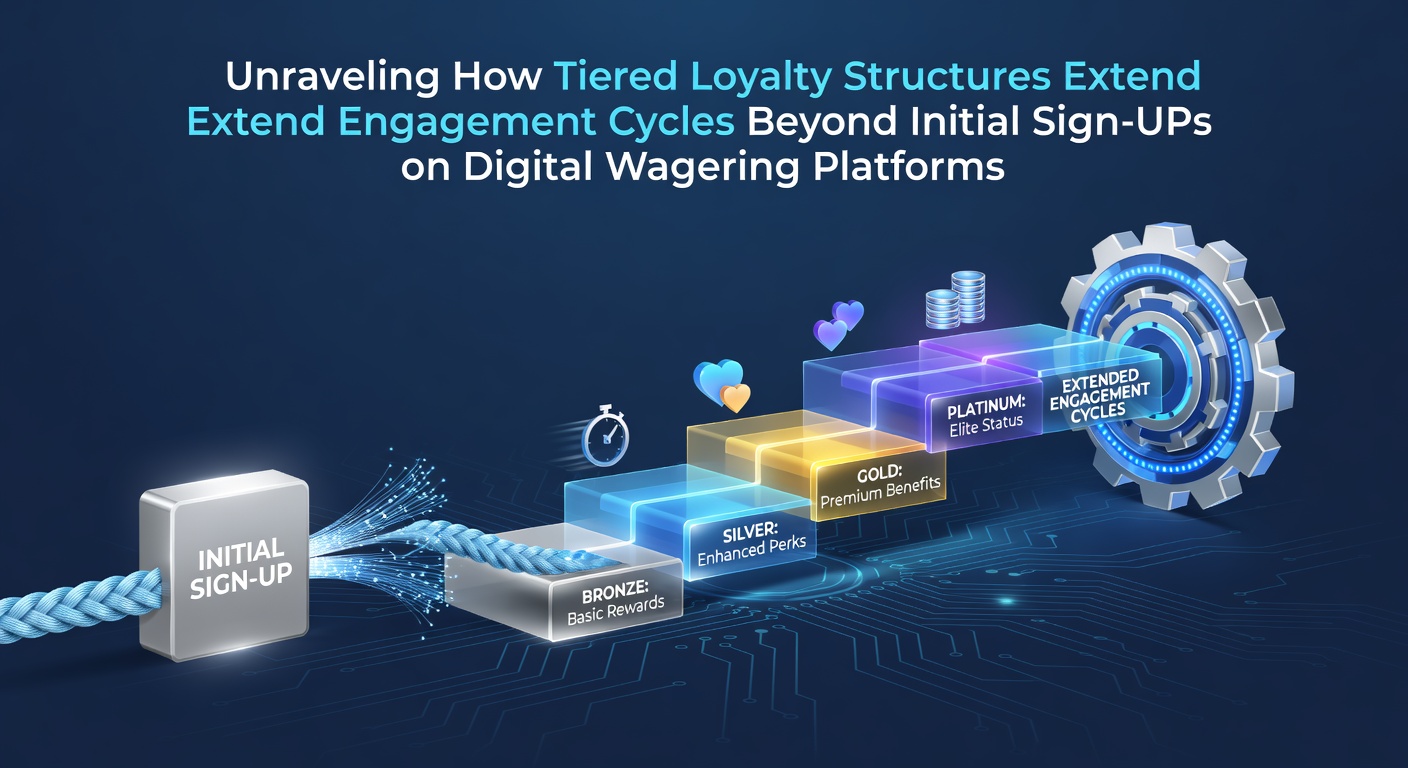
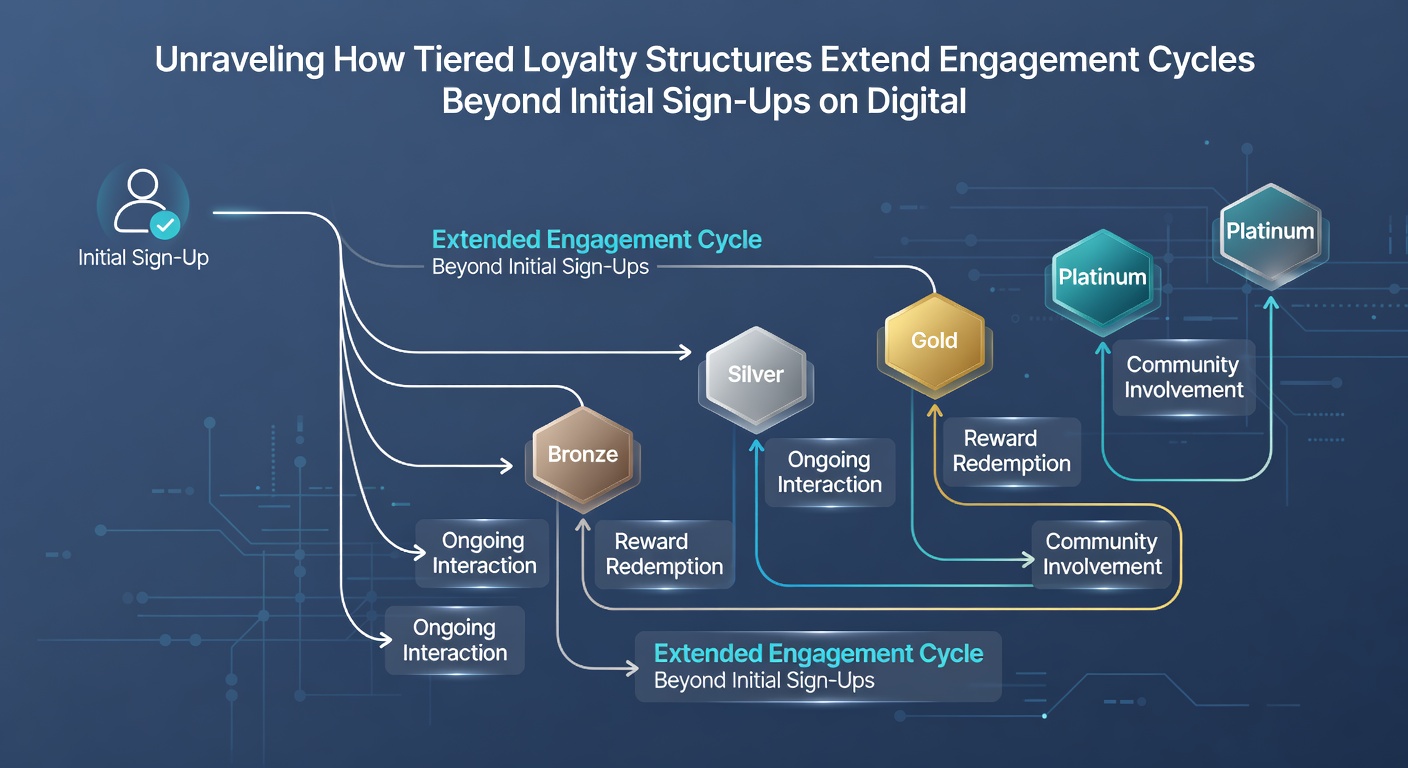
Digital wagering platforms have refined tiered loyalty structures over the past decade, creating systems that reward consistent activity rather than one-time registrations. These frameworks typically divide participants into ascending levels such as bronze, silver, gold, and platinum, with each tier unlocking enhanced benefits including boosted cashback rates, exclusive betting credits, and personalized promotions. Data from industry analyses reveal that operators implementing such models observe retention periods extending well past the initial sign-up phase, as users pursue incremental rewards tied to wagering volume and frequency.
Operators calculate tier progression through metrics like total stakes placed, login streaks, and account tenure. A player reaching a higher tier might gain access to reduced withdrawal fees or priority customer support, elements that encourage sustained interaction. Research indicates these structures integrate with broader retention tools, such as dynamic odds adjustments or milestone bonuses, to maintain momentum after introductory offers expire.
Core Components Driving Tier Advancement
Each loyalty tier incorporates specific thresholds that players must meet within defined periods, often monthly or quarterly cycles. Bronze levels usually require minimal activity like a single deposit or modest bet total, while silver and above demand progressively larger commitments. Benefits scale accordingly, with gold participants frequently receiving invitations to private tournaments or higher-value free bet packages. This graduated approach aligns rewards directly with behavioral patterns, prompting users to adjust their habits to unlock subsequent advantages.
Systems track real-time progress through mobile apps and dashboards, displaying points earned alongside upcoming milestones. Integration with payment processors allows seamless conversion of loyalty points into usable credits, reducing friction and keeping engagement high. Observers note that platforms refresh tier criteria periodically to reflect seasonal events like major sports tournaments, ensuring the structure remains relevant throughout the year.
Retention Patterns Observed Across Markets
Platforms operating in multiple jurisdictions report that tiered programs correlate with extended player lifecycles compared to flat reward models. A 2025 study released by the Responsible Gambling Council in Canada highlighted how loyalty tiers contribute to more predictable revenue streams by encouraging repeat visits over several months. Participants who advance beyond entry-level tiers demonstrate lower churn rates, as the accumulated perks create switching costs that deter migration to competing sites.
In Australia, figures from the Australian Gambling Research Centre show similar trends among operators using hybrid loyalty and deposit-match combinations. Users who reach mid-tier status often extend their activity into off-peak periods, filling gaps between major sporting calendars. This pattern holds steady into May 2026, when several international events coincide with platform-wide loyalty resets that reward accumulated points from prior quarters.
Integration With Live Events and Seasonal Campaigns
Tiered structures adapt to live betting surges by offering temporary multipliers during high-profile matches or races. These limited-time boosts stack with existing tier benefits, accelerating progression for active users. Operators coordinate these campaigns with broader marketing pushes, sending targeted notifications to players nearing the next threshold. The result is a feedback loop where engagement fuels further rewards, sustaining activity across extended cycles.
Case examples from European operators illustrate how tier resets at the start of new seasons prompt users to increase stakes early to secure elevated status quickly. Data shows this front-loading effect carries through subsequent months, as participants work to defend their standing against peers. Such dynamics prove especially effective when combined with cross-platform features like shared loyalty pools between sportsbooks and casino sections.
Technical Infrastructure Supporting Scalable Rewards
Modern loyalty engines rely on cloud-based analytics to process millions of transactions daily, updating tiers without latency. Machine learning models predict when a user might stall at a particular level and trigger personalized incentives to maintain momentum. These tools draw from historical patterns across user segments, optimizing reward types for different demographics while complying with regional regulations on bonus transparency.
Security protocols ensure points and benefits remain protected against fraud, with verification steps that integrate into standard account management. Platforms that invest in these backend systems report smoother user experiences, reducing drop-off during the transition from sign-up bonuses to ongoing loyalty participation. Experts tracking platform performance note consistent uptime improvements coinciding with loyalty feature rollouts in early 2026.
Conclusion
Tiered loyalty structures have evolved into sophisticated retention mechanisms that extend player involvement far beyond initial registration on digital wagering sites. By linking tangible benefits to measurable activity levels, operators create pathways that reward persistence while adapting to seasonal and technological shifts. Reports from research bodies across North America and Australia continue to document these patterns, underscoring the frameworks' role in shaping sustainable engagement models through 2026 and beyond.