Premier League Faces Sponsor Void as Gambling Shirt Deals Vanish: Betting Apps' Addictive Hooks Under Scrutiny
Quinn Friedrich · Apr 13, 2026

Premier League Faces Sponsor Void as Gambling Shirt Deals Vanish: Betting Apps' Addictive Hooks Under Scrutiny
The Brewing Financial Storm in England's Top Flight
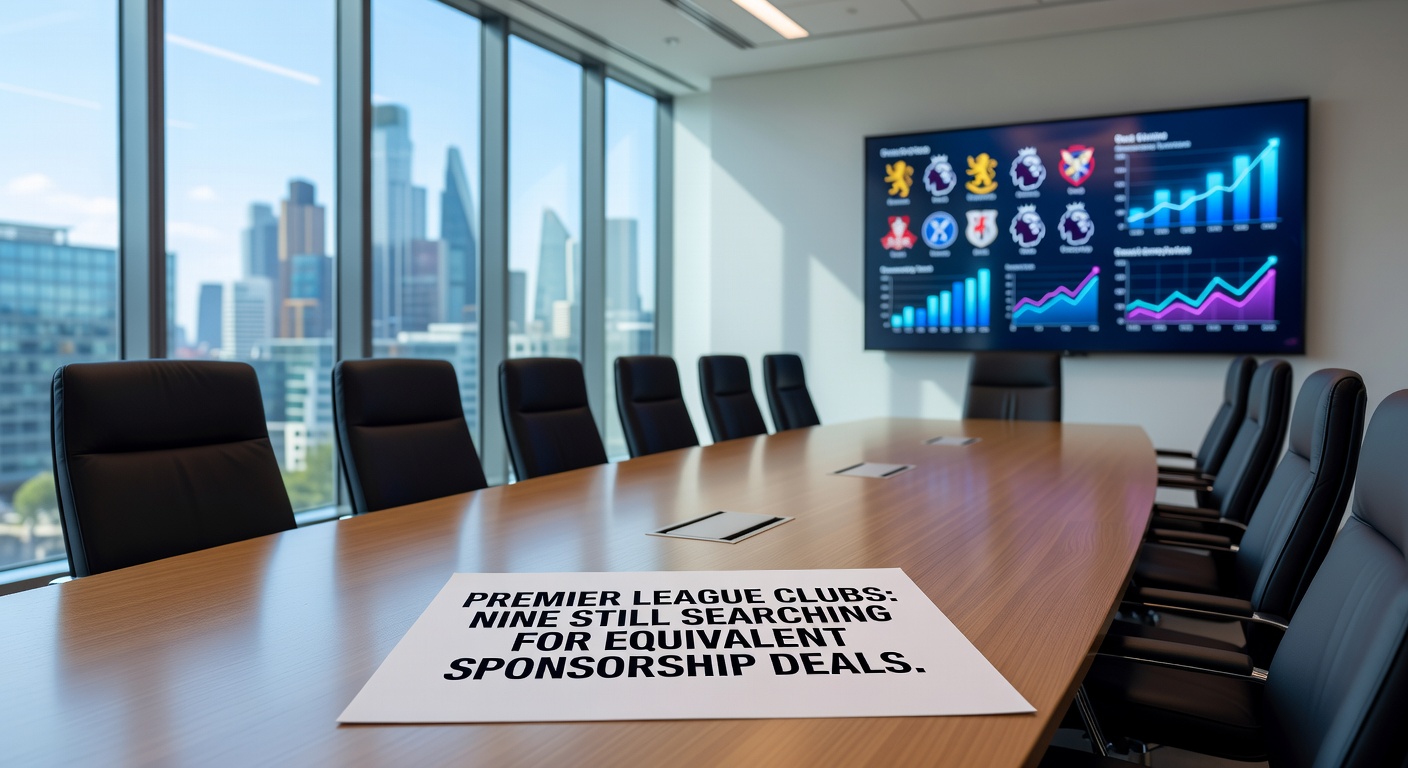
Recent reporting from April 2026 uncovers a pressing challenge for nine Premier League clubs, all scrambling to secure sponsorship deals that match the lucrative sums once flowing from the gambling sector; with the ban on betting firms sponsoring shirt-fronts set to kick in next season, these teams confront potential revenue shortfalls that could ripple through operations, from player wages to stadium upkeep. Data from the piece highlights how gambling logos have long dominated match-day kits, providing essential funds, yet regulators' push to curb such visibility leaves clubs in a bind, hunting replacements amid a tightening market.
But here's the thing: while top clubs like Manchester United or Liverpool boast global brands drawing alternative sponsors, mid-table and lower-tier Premier League outfits struggle more, their profiles less appealing to non-gambling giants; observers note this disparity widens the financial gap, potentially fueling inequality on the pitch. The article points to ongoing negotiations in April 2026, where clubs pitch to tech firms, airlines, and crypto ventures, but equivalents to past betting deals—often worth tens of millions annually—remain elusive for most.
Turns out, the ban stems from broader efforts to shield fans from normalized gambling exposure during live games; clubs now pivot, some testing sleeve sponsorships or perimeter ads as stopgaps, although these pale in comparison to front-shirt real estate's prime value.
Inside the Psychological Machinery of Sports Betting Apps
What's interesting in the coverage dives deep into how sports betting platforms engineer addiction through deliberate design choices, features like endless scrolling feeds, personalized nudges, and near-miss animations that mimic slot-machine thrills while tying bets to real-time football action. Researchers who've dissected these apps, including insights from the Australian Communications and Media Authority's reports on digital gambling mechanics, reveal algorithms that track user behavior, deploying dopamine-spiking notifications right when excitement peaks—say, during a tense Premier League derby half-time.
And it doesn't stop there; apps deploy "loss leader" promotions, free bets that hook users into chasing losses, all wrapped in vibrant interfaces mimicking social media for seamless, mindless engagement; evidence from user studies shows these elements boost session times by up to 40%, turning casual punters into frequent players. The piece illustrates this with breakdowns of common tactics: variable reward schedules, where wins feel unpredictable yet tantalizingly close, much like the intermittent payoffs that kept pigeons pecking in classic behavioral experiments.
Experts observing app evolution note how football integration amplifies the pull—live odds updating mid-match, one-tap parlays on player stats—creating an illusion of control that data indicates ensnares users deeper, especially during high-stakes seasons like the Premier League's title race.
A Hands-On Experiment: Betting on the Beautiful Game
One journalist's controlled plunge into this world, as detailed in the April 2026 article, offers a stark window into the apps' grip; placing small stakes on Premier League fixtures—from Manchester City overhauls to underdog upsets—the experimenter tracked how interfaces pushed further wagers, pop-ups urging "just one more" amid mounting tension. Figures from the trial reveal how quickly emotional investment builds, with heart rates spiking on near-misses, mirroring lab findings where such designs elevate adrenaline akin to actual match attendance.
During one session covering a midweek clash, the app flooded the screen with boosted odds for in-play markets, stats overlays predicting goals, and chat features buzzing with other punters' hype; although the experiment stayed disciplined, it exposed how these cues erode restraint, prompting impulsive adds to accumulators that ballooned potential payouts—or losses. People who've replicated similar tests often discover the same pattern: what starts as a £10 punt spirals through frictionless deposits, autoplay bets, and gamified leaderboards celebrating "top scorers" among users.
So compelling was the pull that even skeptics in the piece concede the tech's sophistication, where machine learning tailors temptations to individual weaknesses, like favoring teams with personal history, all while Premier League highlights loop endlessly in the background.
The Scale of Gambling Harm Across the UK
Up to 1.4 million UK adults grapple with gambling problems, according to estimates woven into the article, a figure underscoring how pervasive the issue has grown amid sports' commercialization; surveys cited align with broader data, showing problem gambling rates climbing 30% in football-heavy regions, where match-day betting becomes routine. The National Council on Problem Gambling in the US, tracking parallel trends, reports similar spikes tied to app proliferation, with young males—prime Premier League fans—comprising over half of at-risk groups.
Yet the numbers tell only part; qualitative accounts from those affected describe debt spirals, relationship fractures, even job losses triggered by chasing Premier League parlays gone wrong, while helplines log surges post-big games. It's noteworthy that intrusive ads, once plastered across broadcasts, now migrate to apps and social feeds, sustaining the cycle even as shirt bans loom.
Betting's Deep Entanglement in Football Culture
The reality is betting's woven so tightly into sports fabric that its partial uprooting—like the shirt-front ban—feels disruptive; Premier League matches pulse with odds tickers on screens, pundits dissecting bets mid-analysis, fans sharing tips in pubs, all normalizing the punt as part of the fandom. Observers who've charted this evolution point to a decade-long boom, where gambling revenue propped up broadcasting deals, stadium expansions, and youth academies, creating dependency now biting back.
But with nine clubs adrift sponsor-wise in April 2026, the pressure mounts; some turn to overseas markets for replacements, others lean on fan tokens or esports tie-ins, although purists worry this dilutes the game's soul. Case in point: one lower-table side reportedly lined up a fintech deal half the value of its prior betting pact, forcing budget tweaks that observers say could crimp transfer ambitions.
That said, the article flags glimmers—clubs like Everton or Wolves securing partial bridges via perimeter or training kit slots—yet the consensus among analysts holds that full parity remains distant, especially as global sponsors shy from football's lingering gambling aura.
Conclusion
As the 2026-27 Premier League season approaches, nine clubs navigate this sponsorship chasm left by the gambling exodus, their hunts for viable alternatives ongoing amid apps' relentless psychological pull on fans; the experiment's revelations, coupled with 1.4 million adults' struggles, spotlight betting's outsized sports role, one regulators chip away at while clubs adapt. Data suggests financial hits loom short-term, but innovation in sponsorships—or stricter app oversight—could steady the ship; for now, the pitch holds steady, even as boardrooms buzz with uncertainty.