Prediction Markets Betting on Nuclear War Surge to £659K, Fueling UK 'Blood Gambling' Backlash and Regulatory Clashes
Quinn Friedrich · Mar 10, 2026

Prediction Markets Betting on Nuclear War Surge to £659K, Fueling UK 'Blood Gambling' Backlash and Regulatory Clashes
The Unexpected Betting Frenzy on Global Catastrophes
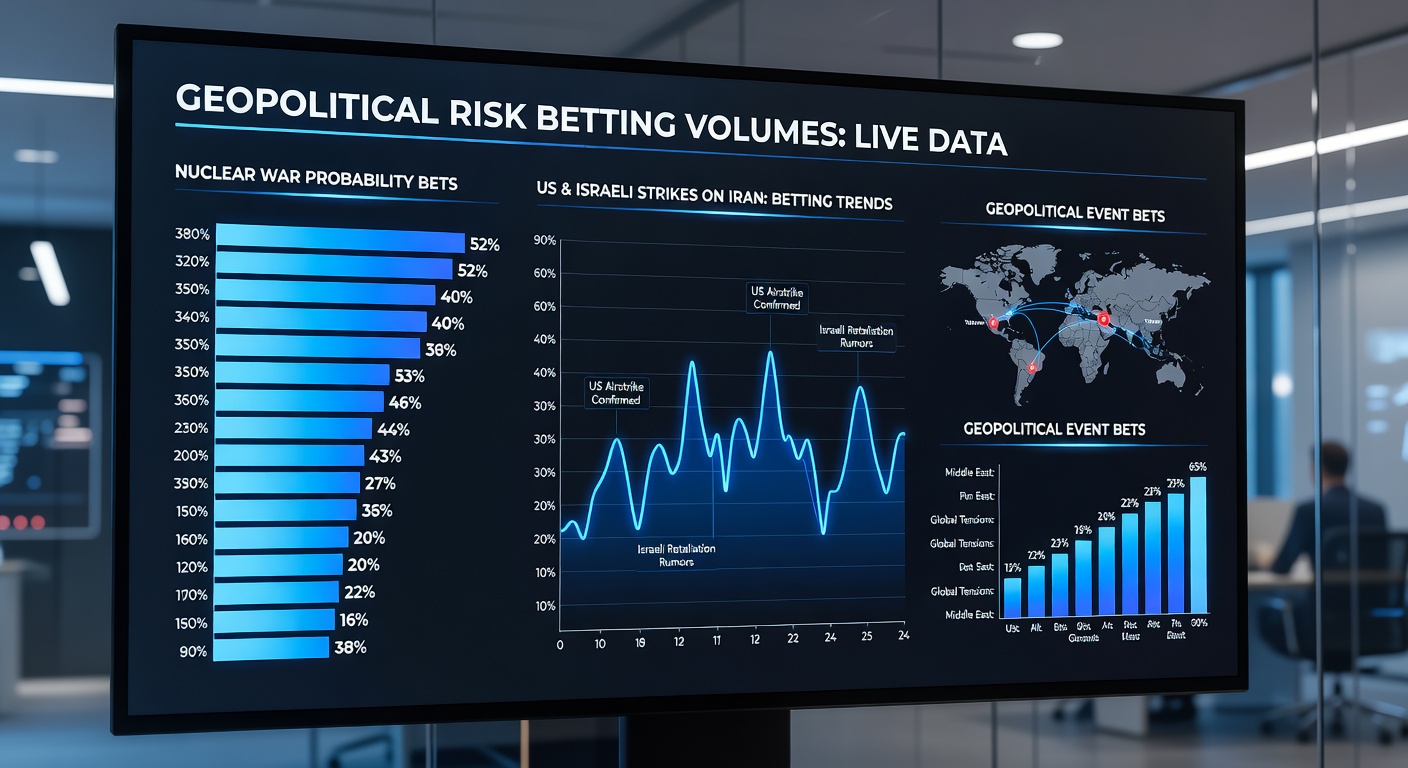
Volumes on prediction markets betting nuclear war and linked geopolitical flashpoints like US and Israeli strikes on Iran or Gaza drone attacks exploded on platforms such as Polymarket, clocking in at £659,152.90 in trades before operators yanked the nuclear detonation market amid a storm of public outrage over what critics labeled "blood gambling"; this surge caught observers off guard, especially as traders piled into wagers on events blending high-stakes politics with doomsday scenarios, turning abstract fears into quantifiable odds.
What's interesting here is how quickly these markets gained traction, drawing bets from around the world while platforms navigated the thin line between speculative forecasting and outright gambling on human tragedy; data from the platforms reveals that activity spiked dramatically, with volumes hitting that hefty figure in a short burst, prompting swift backlash from ethicists and regulators alike.
And yet, prediction markets have long operated in a gray area, offering users a way to bet on real-world outcomes from elections to weather events, but this nuclear war niche pushed boundaries further, leading to its abrupt removal as public outcry mounted; those who've tracked these platforms note that such markets often reflect collective sentiment, sometimes even outperforming traditional polls in accuracy, though the ethical weight of wagering on annihilation proved too much.
Polymarket's Role and the Rapid Market Shutdown
Polymarket, a crypto-based prediction platform, became ground zero for this frenzy, hosting markets where participants traded shares priced from pennies to dollars based on yes/no outcomes for nuclear events; figures show trading hit £659,152.90 across related geopolitical bets, a volume that underscores the appetite for such high-drama wagers even as tensions simmered in the Middle East and beyond.
But here's the thing: the nuclear detonation market didn't last long, pulled offline after ethical concerns erupted, with detractors decrying it as profiting from potential apocalypse; experts who've studied prediction markets point out that while these tools can hedge risks or gauge probabilities, the optics of betting on bombs dropping crossed into taboo territory, forcing platforms to act fast amid social media uproar and media scrutiny.
Take one case where similar controversy arose years back with markets on terrorist attacks; platforms then faced similar heat, yet adapted by tightening rules, and now with Polymarket's move, observers see a pattern where public pressure dictates what's tradeable, even if the tech and liquidity keep drawing crowds.
UK Gambling Commission's Stance Shakes the Landscape
In the UK, the Gambling Commission classifies these prediction markets as betting intermediaries, mandating licenses on par with established exchanges like Betfair and Smarkets; this positioning means operators must comply with stringent rules on consumer protection, anti-money laundering, and fair play, fueling heated debates as platforms eye expansion.
Turns out, this classification isn't new, but the nuclear war bets amplified calls for tighter oversight, with regulators scrutinizing how such markets fit into the broader gambling ecosystem; data indicates that without proper licensing, these platforms risk operating illegally, exposing users to unlicensed risks while platforms face enforcement actions.
People often find that prediction markets thrive on blockchain anonymity, yet UK rules demand transparency and accountability, creating friction as global operators like Polymarket brush up against local laws; those who've followed Commission decisions know enforcement ramps up when ethics collide with innovation, and this story fits that mold perfectly.
Regulatory Debates Heat Up Ahead of London Gaming Congress
Ahead of the London Gaming Congress on March 18, 2026, these developments have sparked intense regulatory debates, with stakeholders hashing out how to balance innovation against the perils of "blood gambling"; attendees from industry, government, and advocacy groups will dissect prediction markets' rise, weighing licensing hurdles against their predictive power in everything from politics to pandemics.
It's noteworthy that UK platforms like Matchbook signal plans for similar launches, betting that licensed operations can capture the demand while dodging ethical pitfalls; figures from past congresses reveal such events often shape policy, as seen when previous discussions led to affordability checks now standard across betting sites.
So, as the congress looms just weeks away in this March 2026 timeline, expect panels to grill Commission reps on intermediary rules, with Matchbook's ambitions highlighting the push-pull between opportunity and oversight; observers note that past events birthed key reforms, and this one could redefine how prediction bets on geopolitics get handled.
One study from industry analysts even suggests licensed UK entrants could tap billions in volume, provided they steer clear of controversy; that's where teh rubber meets the road for platforms plotting entry, navigating Commission demands while global peers like Polymarket recalibrate post-backlash.
Ethical Concerns and the 'Blood Gambling' Label
The term "blood gambling" stuck fast, capturing the visceral revulsion at betting on strikes, detonations, or escalations that could claim lives; ethicists argue these markets commodify suffering, incentivizing morbid curiosity over genuine forecasting, although proponents counter that they aggregate wisdom from diverse traders, often nailing outcomes polls miss.
Yet public outcry proved decisive, with social campaigns amplifying calls for shutdowns and bans; platforms responded by delisting the markets, but not before volumes soared, revealing a subset of users undeterred by the grim subject matter.
There's this case from earlier geopolitical bets, say on Ukraine conflicts, where volumes similarly ballooned without full backlash; what sets nuclear wagers apart is their existential scale, turning abstract odds into symbols of societal unease, and prompting regulators to revisit classification frameworks.
UK Platforms Gear Up Amid the Storm
Matchbook, a UK-based exchange, eyes prediction market rollouts, positioning itself to offer licensed alternatives to offshore crypto sites; with Commission oversight, these launches promise safer bets on events from sports to stocks, carefully avoiding nuclear no-go zones that sank Polymarket's effort.
Data shows traditional exchanges like Betfair and Smarkets already handle event contracts under license, paving the way for prediction variants; Matchbook's plans align with this, betting on growth as retail traders seek novel ways to speculate amid volatile world events.
And while ethical lines blur, licensed status offers legitimacy, drawing institutional money wary of unregulated crypto plays; those who've watched UK gaming evolution know platforms succeeding here blend compliance with user-friendly odds, turning regulatory debates into business edges.
Where This Leaves the Industry
As debates rage toward the March 18, 2026, London Gaming Congress, prediction markets stand at a crossroads, with nuclear war bets exemplifying the tension between free-market forecasting and moral boundaries; volumes like £659,152.90 underscore demand, yet "blood gambling" labels and Commission classifications signal stricter paths ahead for UK hopefuls like Matchbook.
The reality is these platforms evolve fast, adapting to outcry by refining offerings, while regulators refine rules to match; experts who've tracked this space predict licensed innovation will dominate, channeling bets into safer harbors even as global geopolitics tempts the bold.
In the end, this story highlights how one market's surge can ripple through an entire sector, reshaping licenses, ethics, and launches in ways that keep the industry on its toes; with congress discussions imminent, stakeholders wait to see if balance tips toward openness or clampdown.