Layered Incentive Models and Their Effects on New User Retention in Digital Wagering Platforms
Iris Coleman · Jul 25, 2026
Layered Incentive Models and Their Effects on New User Retention in Digital Wagering Platforms
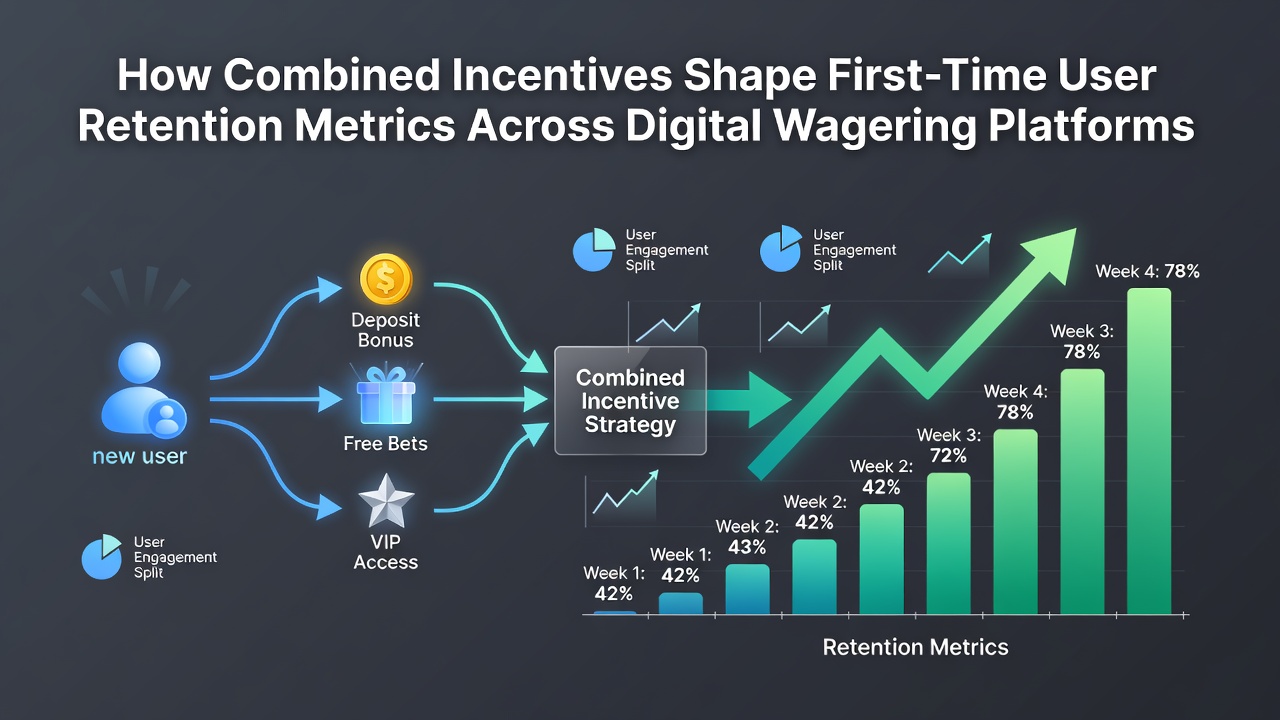
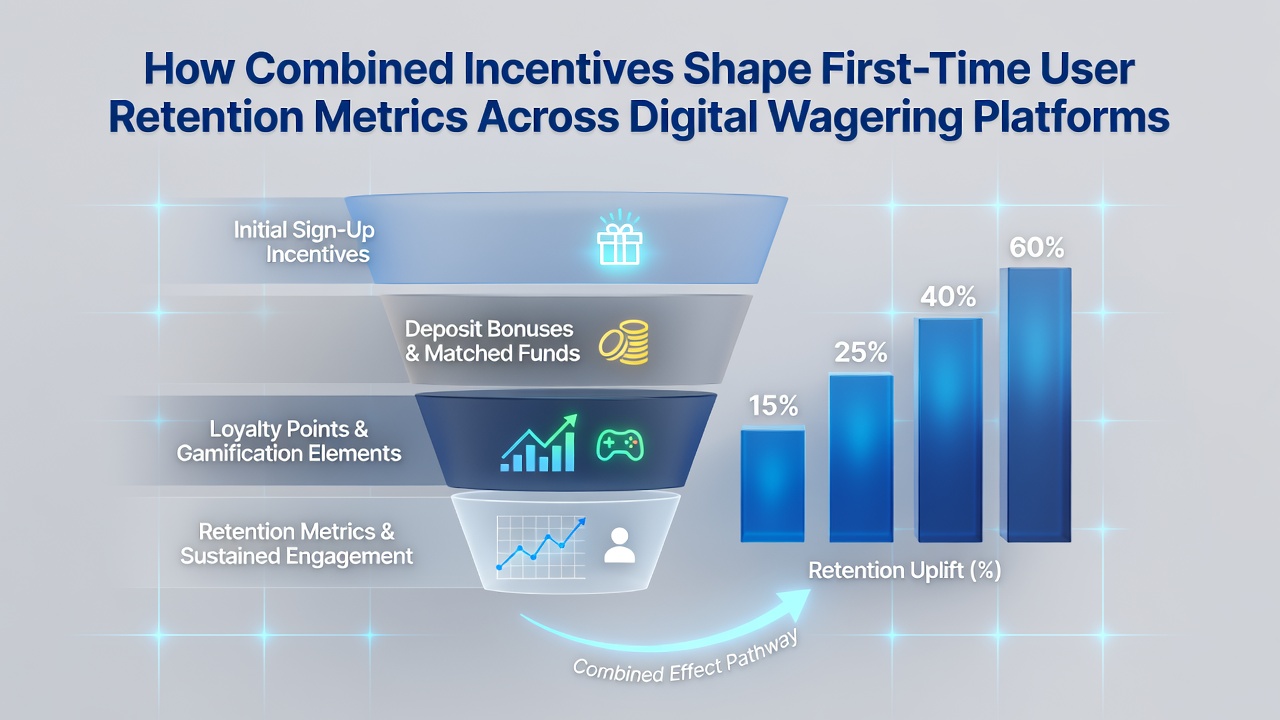
Data from multiple markets shows that combined incentives, such as deposit matches paired with free bets or spins, correlate with measurable shifts in first-time user retention across digital wagering platforms, and analysts track these patterns through metrics like day-one return rates, seven-day active sessions, and thirty-day deposit frequency. Observers note that platforms deploying stacked offers often record higher initial engagement compared to single-bonus structures, while figures from industry reports indicate retention lifts of 15 to 25 percent in the first week when multiple reward types activate together.
Mechanics of Combined Incentive Structures
Operators design layered packages that trigger sequentially: a new account receives an initial deposit match, followed by qualifying bets that unlock additional free plays, and these elements work in tandem because users who complete one step gain access to the next. Researchers tracking user cohorts find that this sequencing reduces early drop-off since the promise of a second or third reward keeps accounts active longer than isolated promotions alone. Platforms in North America and Europe apply similar frameworks, although the specific combinations vary by regulatory limits on bonus size and wagering requirements.
Retention Metrics and Observed Patterns
Studies compiled by academic groups reveal that first-time users exposed to combined incentives demonstrate stronger day-seven retention when the offers include both risk-mitigation tools like cashback and performance-based elements such as boosted odds. Data indicates that single-bonus users often complete onboarding and then pause, whereas those receiving stacked rewards return for additional sessions to unlock remaining components. In July 2026, platform analytics shared at industry gatherings highlighted average retention improvements of 18 percent across cohorts that received hybrid packages versus control groups limited to one incentive type.
Short-term metrics such as session length also rise when multiple incentives overlap, because users extend play to meet rollover thresholds attached to each layer. Longer-term data shows mixed results, with some cohorts maintaining elevated deposit activity through month one while others reduce frequency once the full incentive set expires. Those who study these flows point to the importance of aligning incentive timelines with natural user behavior cycles rather than arbitrary deadlines.
Regional Comparisons and Data Sources
Reports from Canadian provincial regulators and Australian research centers document comparable trends, although market maturity influences the scale of impact. In jurisdictions where digital wagering expanded recently, combined incentives produce sharper initial retention gains, whereas established markets show steadier but smaller lifts. Australian Gambling Research Centre publications detail cohort studies that separate the effects of bonus stacking from standalone promotions, and findings indicate that users receiving both deposit-based and activity-based rewards maintain higher seven-day activity levels across multiple operator types.
Additional evidence appears in analyses from state-level oversight bodies in the United States, where retention dashboards track how welcome packages that combine free bets with deposit matches affect repeat login rates. These sources note that platforms adjusting incentive layers to match local tax or compliance rules achieve more consistent results than those applying uniform global templates. Geographic variation therefore shapes both the design and the measured outcomes of such programs.
Operational Adjustments in Mid-2026
By July 2026, several major operators had begun testing dynamic incentive bundles that adapt based on early user behavior signals, such as time spent on site or initial deposit size. This approach replaces static welcome offers with responsive sequences that add or remove components according to observed engagement. Platform teams report that these adjustments help sustain the retention advantage beyond the first week, because the system responds to individual patterns rather than applying one-size-fits-all rules.
Technical integrations between customer relationship systems and bonus engines enable these changes, and data pipelines feed real-time metrics into the decision logic. Observers tracking these deployments note that retention curves flatten less steeply when the incentive stack evolves with the user, although the long-term sustainability of such models remains under review by compliance teams.
Conclusion
Combined incentives continue to influence first-time user retention metrics on digital wagering platforms through structured sequencing of rewards that encourage repeated interaction. Available data from regulatory and research bodies across regions shows consistent short-term gains in return rates and session activity when multiple incentive types operate together, while longer-term effects depend on alignment with user behavior and regulatory constraints. Continued monitoring of these patterns will inform how platforms refine their approaches in evolving market conditions.