Layered Access Models Pairing Trial Periods With Tiered Pricing on Flexible Entertainment Platforms
Alex Simmons · Jul 2, 2026
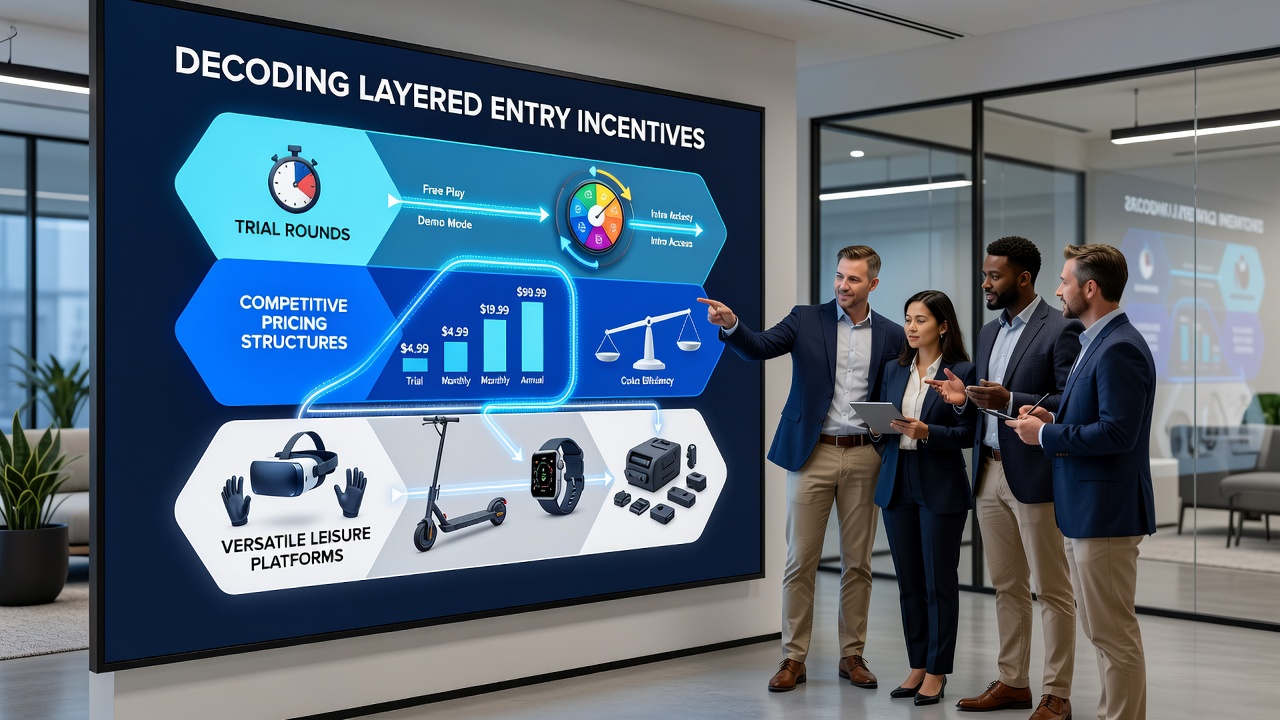
Layered Access Models Pairing Trial Periods With Tiered Pricing on Flexible Entertainment Platforms
Versatile leisure platforms combine free trial rounds with competitive pricing tiers to attract users across gaming, streaming, and fitness services, and data from industry reports show these models have expanded significantly by July 2026. Researchers at academic institutions track how initial access periods lead users toward paid structures without abrupt cost barriers, while platforms adjust prices based on usage patterns and regional demand.
Core Components of Layered Entry Systems
Entry incentives typically start with time-limited trials that grant full feature access for seven to thirty days, after which users encounter pricing options scaled by commitment length and content depth. Observers note that shorter trials often pair with monthly rates, whereas extended trials align with annual plans that reduce per-month costs by twenty to forty percent according to platform disclosures. Those who've examined subscription data across multiple services find that this pairing reduces immediate drop-off rates because users experience value before financial commitment begins.
Platforms structure these layers so trial users receive prompts highlighting savings available through longer contracts, and competitive pricing appears alongside comparable offers from rival services. Evidence from market analyses indicates annual tiers frequently include bonus content or priority support that monthly options lack, creating natural progression points once trials conclude.
Regional Variations in Pricing and Trial Design
North American platforms tend to emphasize month-to-month flexibility after trials end, while European services more commonly promote six-month or annual bundles that lock in rates against inflation adjustments. Australian consumer data compiled by the Australian Competition and Consumer Commission reveals that leisure platforms operating in that region disclose total costs upfront during trials, which helps users compare annual versus monthly structures before conversion. Canadian regulatory filings similarly require clear display of renewal terms, ensuring trial participants understand how pricing evolves post-trial.
One study from a European research consortium found that platforms offering region-specific trials adjusted incentive length according to local economic conditions, with shorter trials in high-income markets and longer ones in emerging regions to build habit formation. Those patterns appear consistently across fitness apps, multiplayer game networks, and on-demand video libraries that function as versatile leisure hubs.
Integration With Usage Analytics and Dynamic Adjustments
Many platforms employ real-time analytics during trial periods to recommend specific pricing tiers based on engagement metrics such as hours streamed or levels completed. Data shows users who complete over sixty percent of trial content receive personalized offers that highlight relevant features within the next tier, which increases conversion without relying on generic promotions. Industry organizations tracking digital subscriptions report that these tailored nudges often appear alongside standard pricing grids rather than replacing them.
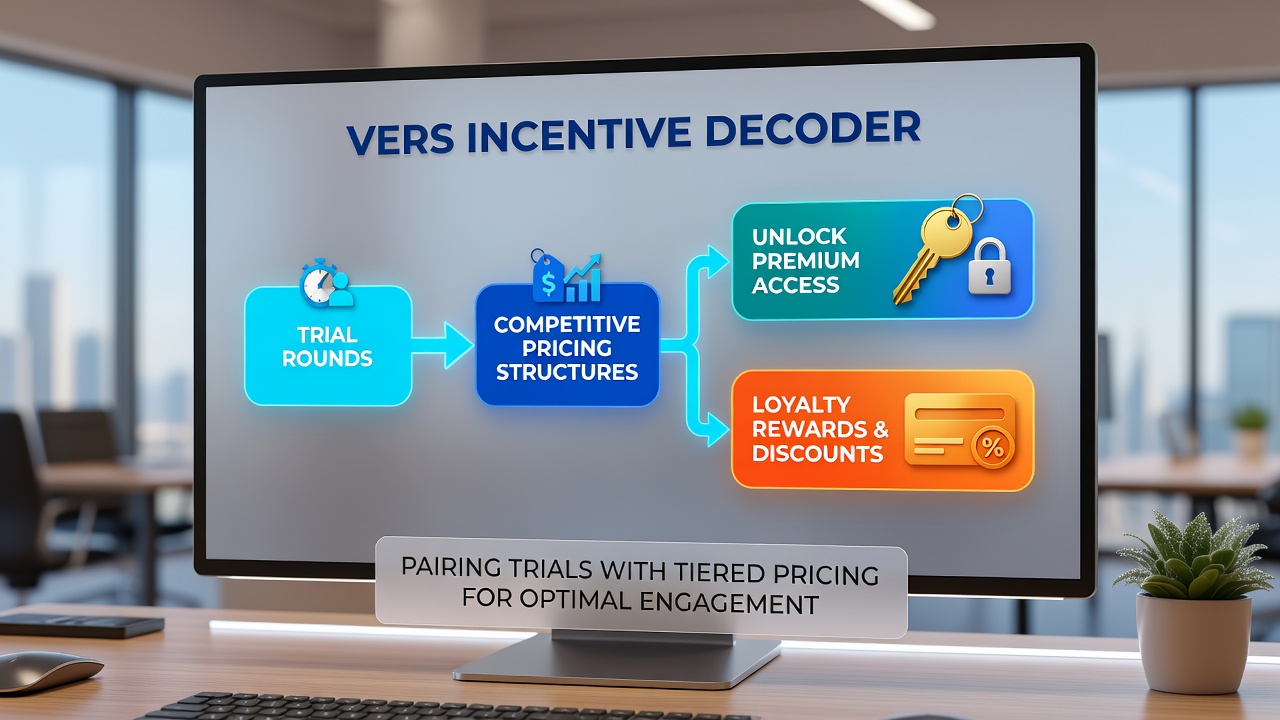
Dynamic pricing elements allow platforms to test limited-time rate reductions for users nearing trial expiration, and researchers note these adjustments occur within predefined guardrails to maintain consistency across user cohorts. Federal Trade Commission guidelines on subscription practices in the United States encourage transparent disclosure of such changes so participants understand both trial boundaries and subsequent pricing implications.
Measurement of Effectiveness Through Retention Metrics
Retention studies conducted by university business schools track how layered models affect long-term user value, revealing that platforms combining extended trials with clear annual discounts retain users at higher rates than those offering only short trials followed by standard monthly rates. Figures from these analyses indicate average user lifespan extends by several months when pricing tiers include escalating benefits such as ad-free access or exclusive events unlocked at higher commitment levels.
Platforms share aggregated statistics through trade associations that show trial-to-paid conversion rates vary by content category, with gaming services often achieving higher uptake than pure fitness platforms because trial rounds allow direct skill progression that users wish to continue. Yet the same data sets demonstrate that pricing transparency during the trial window correlates strongly with reduced chargeback incidents once billing begins.
Future Adjustments Expected in Layered Incentive Design
As leisure platforms continue integrating multiple content types, experts anticipate further refinement of trial structures to accommodate hybrid users who sample both gaming and wellness features within one service. Regulatory updates scheduled for late 2026 in several jurisdictions will likely require additional clarity around how trial data informs personalized pricing offers, building on existing disclosure standards already in place.
Conclusion
Layered entry incentives that pair trial rounds with competitive pricing continue evolving on versatile leisure platforms as operators refine transitions between free access and paid tiers. Data from government agencies, academic studies, and industry groups document consistent patterns in how these models operate across regions and content categories, providing measurable frameworks for user progression without abrupt financial shifts. Those monitoring platform disclosures through July 2026 observe ongoing adjustments that maintain competitive positioning while meeting transparency expectations set by consumer protection bodies worldwide.