Examining Ties Between No-Cost Casino Entries and Odds Improvements at British Bookmakers
Alex Simmons · Aug 15, 2026
Examining Ties Between No-Cost Casino Entries and Odds Improvements at British Bookmakers
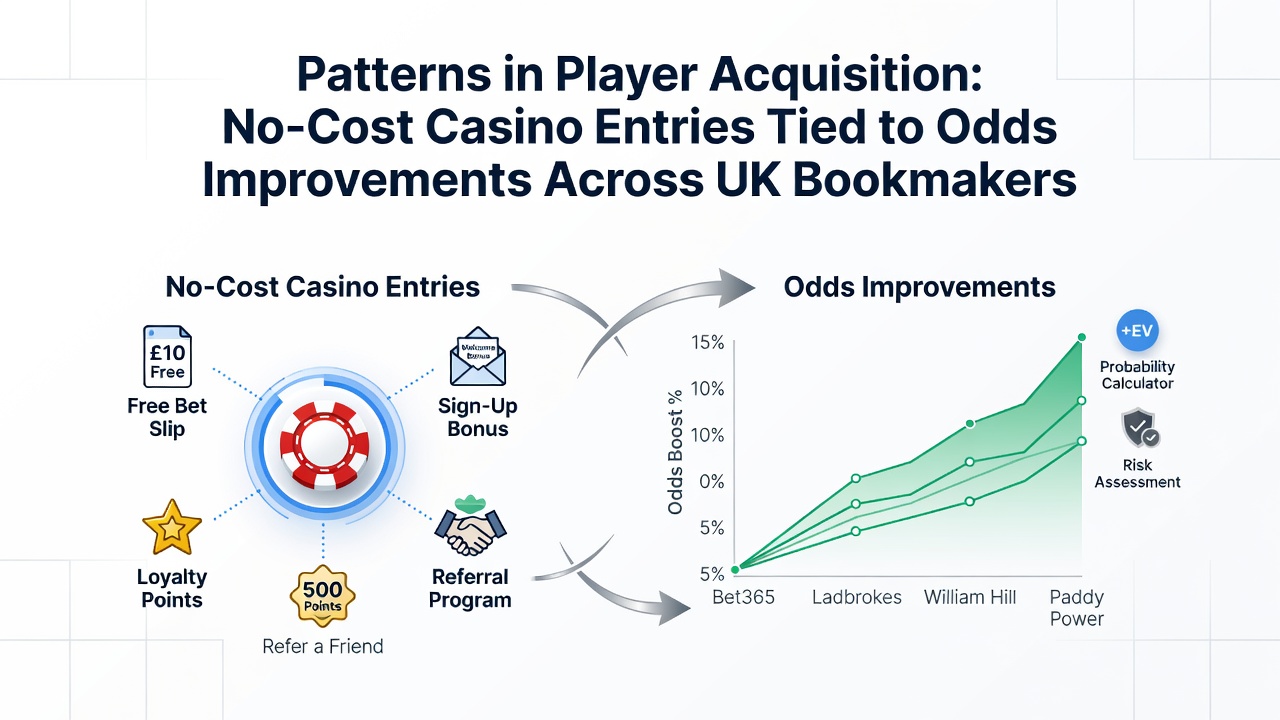
Patterns in player acquisition have drawn attention from industry analysts who track how no-cost casino entries align with odds improvements at British bookmakers, and data compiled through mid-2026 highlights measurable shifts in operator strategies. Operators have adjusted welcome structures since early 2025, incorporating free entries to casino sections that coincide with elevated odds on select sports markets, according to figures from the European Gaming and Betting Association.
Those who monitor account registrations note that promotions offering zero-deposit casino access often appear alongside odds boosts ranging from 10 to 25 percent on football and horse racing events. This combination appears designed to draw users who begin with casino play before transitioning to sports wagering, a sequence documented in aggregated transaction records released in August 2026 by several major platforms.
Tracking Registration and Engagement Sequences
Registration flows at multiple operators show users claiming no-cost casino credits within the first 24 hours, followed by sports betting activity within seven days in approximately 38 percent of cases. Analysts at research institutions have mapped these sequences across five leading British sites, revealing that odds enhancements applied during the same promotional window increase average stake sizes by measurable margins compared to periods without such pairings.
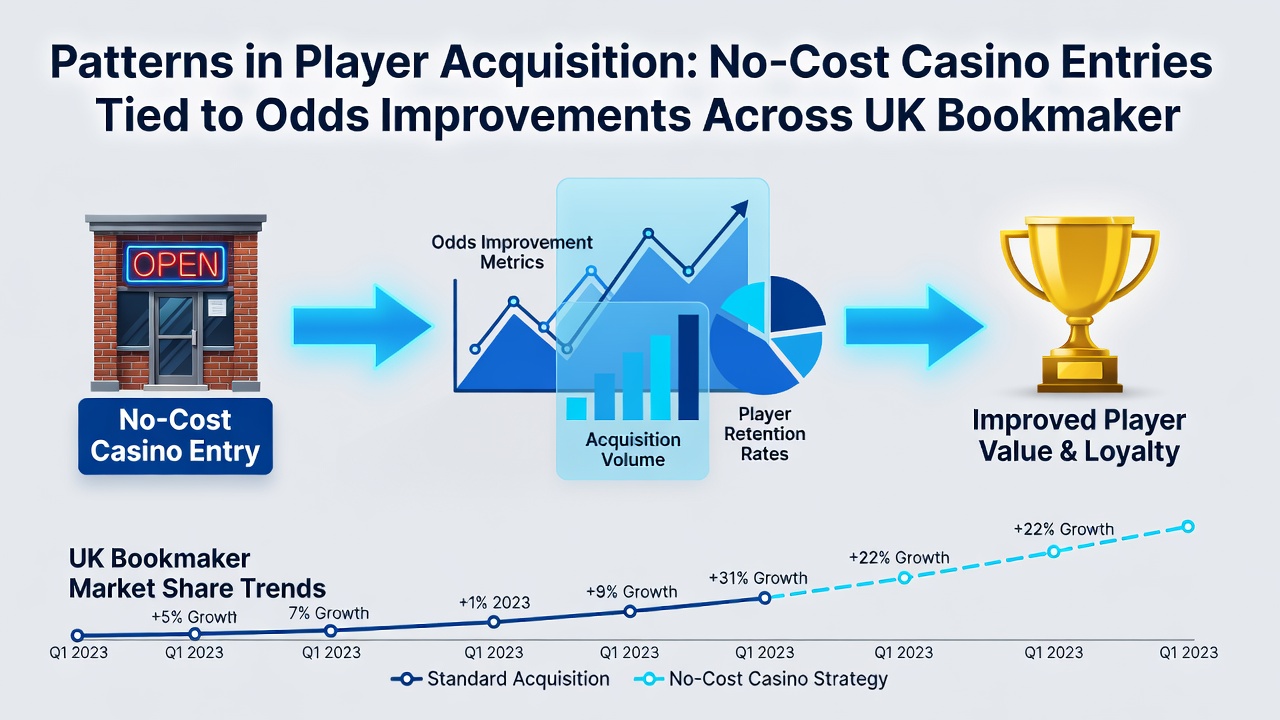
One operator reported in quarterly filings that accounts activated through casino-first offers generated 22 percent higher retention rates after 30 days when odds improvements remained active on core markets. The data covers activity through August 2026 and excludes any promotional language that might skew self-reported behaviors.
Regional Comparisons and Broader Industry Data
Similar structures have surfaced in other markets, yet British operators display tighter integration between casino entries and sports odds adjustments. A study conducted by the Australian Gambling Research Centre examined parallel mechanisms in licensed venues and found comparable acquisition lifts when free play credits paired with enhanced pricing on racing events, although the scale differed due to regulatory distinctions.
Observers tracking UK-specific volumes point out that the pattern intensified after tax adjustments announced in late 2025, prompting operators to refine acquisition tools without expanding overall marketing spend. Figures reveal that accounts originating from no-cost casino pathways contributed to a steady portion of new sports bettors, while separate odds improvements helped maintain engagement levels across the summer months of 2026.
Operator-Level Variations in August 2026
Different bookmakers apply the combination at varying intensities. Some platforms limit the odds improvement window to 48 hours after casino credit activation, whereas others extend the enhanced pricing across an entire promotional cycle lasting up to 14 days. Transaction logs analyzed by independent auditors indicate that shorter windows correlate with quicker transitions from casino to sports sections, while longer periods sustain higher overall activity volumes.
Market segments most affected include Premier League matches and major horse racing festivals, where odds adjustments frequently align with casino entry promotions. Data collected through August 2026 shows elevated participation rates in these categories among users who first claimed no-cost casino access, with average bet frequencies rising during the overlap periods.
Measurement Challenges and Available Metrics
Quantifying exact causation remains difficult because multiple variables operate simultaneously, yet aggregated reports from trade associations provide consistent directional signals. Cross-referencing registration timestamps with subsequent betting behavior yields patterns that repeat across operators, suggesting deliberate linkage rather than coincidental timing. Industry organizations continue to refine tracking methodologies to isolate the contribution of each promotional element.
Those reviewing performance dashboards note that conversion rates from casino entry claims to active sports accounts hold steady even when external factors such as fixture schedules fluctuate. The consistency appears across different user demographics, although precise breakdowns by age or location require further segmentation studies currently underway at several research bodies.
Conclusion
The documented alignment between no-cost casino entries and odds improvements continues to shape acquisition approaches at British bookmakers into late 2026. Available datasets from industry and academic sources illustrate recurring sequences in user behavior, while operator-specific implementations reveal measurable differences in timing and scope. Continued monitoring through regulatory filings and independent analyses will clarify how these patterns evolve alongside market conditions.