Decoding Layered Terms in Multi-Platform Incentives: How Restrictions Shape Actual Returns on Free Credits and Spin Packages
Quinn Friedrich · Jul 18, 2026
Decoding Layered Terms in Multi-Platform Incentives: How Restrictions Shape Actual Returns on Free Credits and Spin Packages
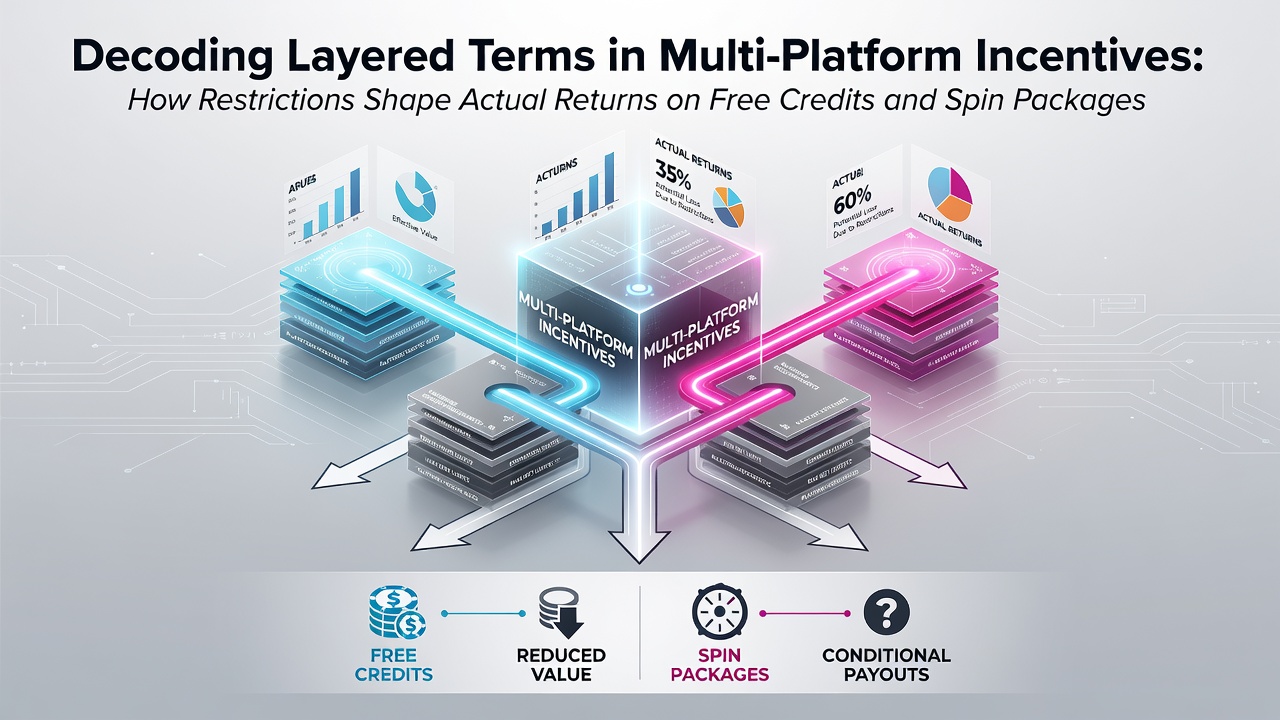
Multi-platform incentives present users with free credits and spin packages that carry layered terms, and these conditions directly influence the returns players can achieve when converting promotional value into withdrawable funds. Operators structure these offers across betting sites, casino platforms, and hybrid apps, yet restrictions such as wagering multipliers, eligible game lists, and expiration windows reduce the effective payout rates in measurable ways.
Understanding Core Components of Incentive Structures
Free credits typically arrive with minimum deposit requirements or account verification steps, while spin packages often tie to specific slot titles or providers, and both formats impose playthrough obligations that range from 20x to 50x the credited amount. Data from regulatory filings shows that operators adjust these multipliers based on player acquisition costs, with higher multipliers applied to no-deposit variants to offset risk exposure.
Time-bound validity periods compound these effects because credits and spins frequently expire within 7 to 30 days, forcing accelerated play that can push users toward higher-volatility options. When platforms link bonuses across multiple verticals, cross-game contribution rates further dilute value since table games and live dealer titles often count at only 10 to 20 percent toward wagering targets.
How Restrictions Alter Actual Returns
Maximum bet caps during the bonus period limit stake sizes to a fraction of the credited balance, which extends the time needed to clear requirements and increases exposure to variance. Game weighting rules exclude certain high-return titles from counting fully, directing activity toward lower-edge machines that operators favor for promotional compliance. Observers note that these mechanisms collectively lower the realized return-to-player percentage from promotional funds by 15 to 35 percent compared with unrestricted play, according to analyses conducted by the Nevada Gaming Control Board.
Withdrawal thresholds add another filter because winnings generated from free credits must often reach a minimum amount before cashout becomes available, and any remaining bonus balance voids upon request. In July 2026, updated reporting from several North American jurisdictions highlighted that players who cleared full wagering cycles retained only 40 to 60 percent of theoretical bonus value after all restrictions applied.
Comparative Effects on Credits Versus Spin Packages
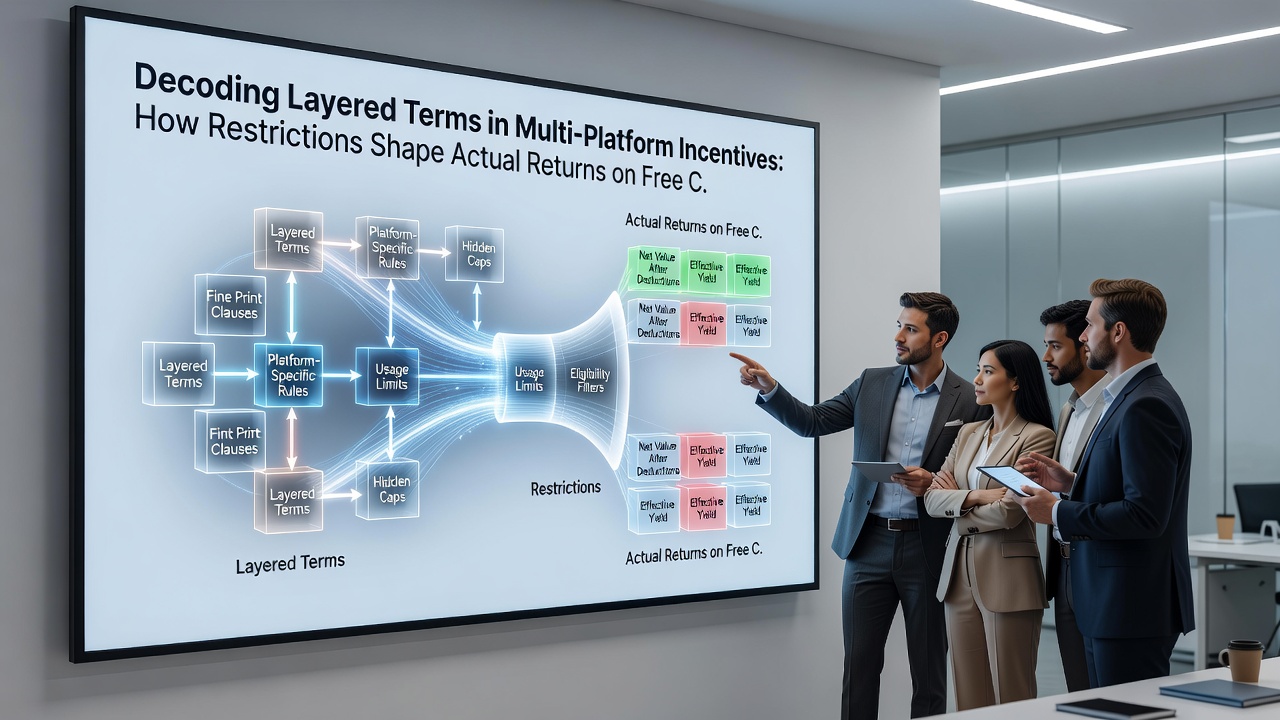
Free credits allow flexible allocation across games yet face stricter contribution caps on non-slot content, whereas spin packages deliver fixed numbers of plays on designated titles and bypass some deposit-linked conditions. This distinction means spin packages can yield higher short-term hit rates on low-volatility machines, but their capped win potential per spin reduces overall upside compared with credit-based offers that permit larger stakes once requirements near completion.
Hybrid platforms that combine sportsbook and casino incentives often route spin packages through casino wallets while free credits apply to betting odds, and the separation creates additional conversion steps that introduce further fees or exchange rates. Research from the International Gaming Institute at the University of Nevada indicates that users navigating these cross-vertical paths encounter an average 12 percent reduction in net returns due to currency conversion and platform transfer rules.
Regional Variations in Term Application
European operators regulated under frameworks such as the Malta Gaming Authority apply standardized disclosure rules that list all restrictions in a single accessible document, which helps users calculate expected value before activation. In contrast, certain North American state-licensed platforms embed additional state-specific caps on promotional value, leading to divergent effective returns even when the base offer appears identical. Australian state regulators have introduced mandatory term summaries in promotional materials since early 2026, resulting in clearer visibility of game exclusion lists and maximum cashout limits.
These geographic differences produce measurable disparities in player retention metrics, with markets that enforce transparent layering reporting lower complaint volumes related to misunderstood bonus conditions. Platforms operating across borders must therefore maintain region-specific term sets that reflect local compliance demands while preserving the underlying incentive economics.
Conclusion
Layered terms in multi-platform incentives function as calibrated controls that balance player attraction against operator margins, and the cumulative impact of wagering multipliers, game weighting, expiration dates, and withdrawal rules determines the actual returns users extract from free credits and spin packages. Regulatory updates observed through mid-2026 continue to refine disclosure standards, which in turn shapes how these promotional mechanics evolve across different jurisdictions and platform types.