Decoding Layered Promo Systems: How Integrated Codes Guide Journeys on Platforms with Multiple Gaming Verticals
Erik Wagner · Aug 13, 2026

Decoding Layered Promo Systems: How Integrated Codes Guide Journeys on Platforms with Multiple Gaming Verticals
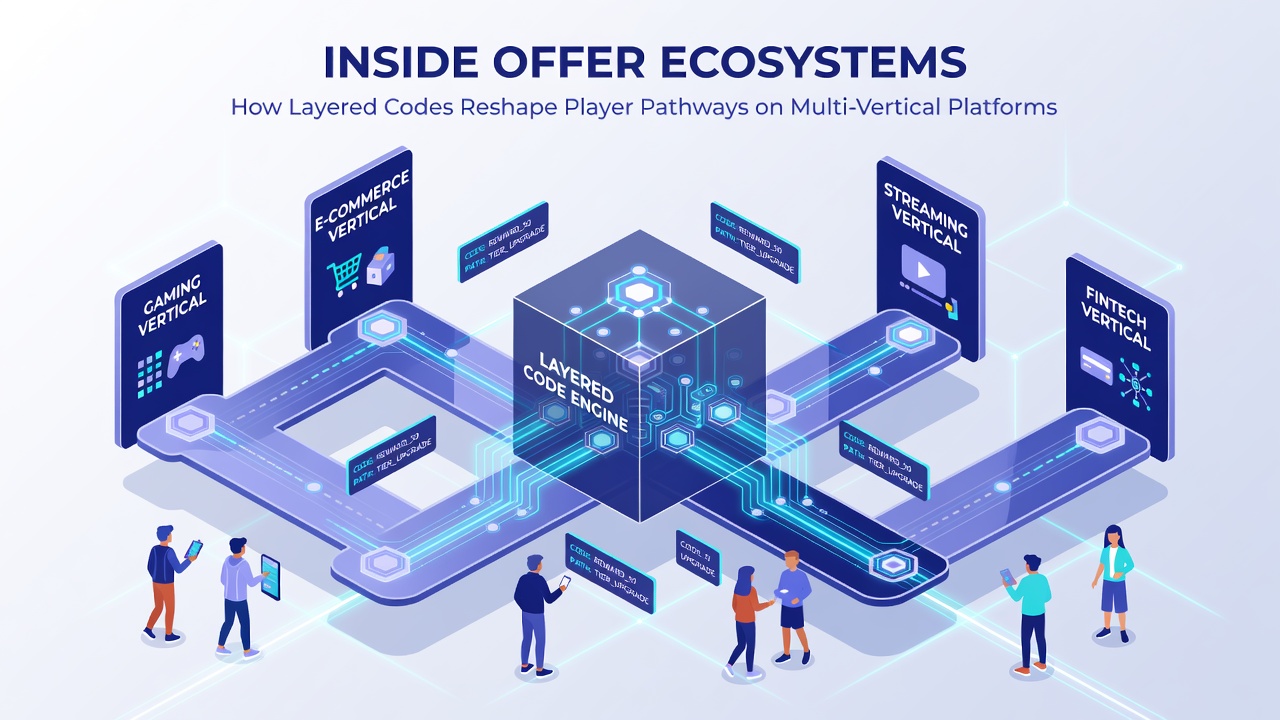
Multi-vertical platforms combine sportsbooks, casinos, poker rooms, and bingo halls under single accounts, and layered codes function as sequenced triggers that move participants from one vertical to another. These systems assign unique identifiers to each offer tier, allowing operators to track entry points such as a no-deposit casino trial that unlocks a sportsbook odds boost after a set number of spins. Data from industry monitoring services indicate that such sequencing increases cross-vertical activity because each code redemption updates a player profile with new eligibility flags.
Mechanics of Layered Code Deployment
Operators structure codes in sequential stages where the first layer grants initial access, often a free spin bundle or a small cash match, while subsequent layers activate only after completion metrics register in the backend. For instance a casino welcome code might require thirty spins before a linked sportsbook free bet becomes available, and the transition occurs automatically through shared wallet balances. This design reduces friction because players do not need to navigate separate registration flows for each vertical, and platform logs show that completion rates for the second tier rise when the first tier reward appears instantly in teh account.
Technical integration relies on real-time APIs that push redemption data across verticals, so a poker tournament entry earned through a casino code can convert into bonus chips that carry over to slots. Observers note that platforms using these APIs report higher retention across thirty-day windows compared with single-vertical sites, since the layered structure creates multiple touchpoints that keep the account active.
Pathway Construction and Player Movement Patterns
Player pathways emerge when codes create logical progressions that align with typical session behaviors. A participant entering through a sports betting odds booster may receive a follow-up casino code after placing a minimum stake, directing attention toward slot or table game sections. Research from the American Gaming Association shows that integrated platforms employing such progressions record elevated average session lengths because each completed layer refreshes the incentive structure without requiring fresh deposits.
August 2026 figures from platform analytics suites reveal that sequences involving three or more layers produce the strongest movement between verticals, with casino-to-sportsbook transitions occurring most frequently when the second code offers enhanced odds rather than additional free spins. The pattern holds across regions because the code logic remains consistent regardless of local game preferences.
Cross-Vertical Incentive Alignment
Alignment occurs when each code layer references rewards from a different vertical, encouraging exploration without explicit instruction. A bingo deposit match might unlock a poker rakeback credit once a threshold number of cards is purchased, and the rakeback then converts into casino free play upon tournament registration. Such chaining keeps capital circulating inside the platform ecosystem because withdrawal options remain restricted until multiple layers complete.
Industry reports from the Canadian Gaming Association document that operators who publish clear layer requirements experience fewer support tickets related to missing bonuses, since the transparency reduces confusion about eligibility. The same reports note that platforms in Australia applying similar layered structures see comparable improvements in cross-vertical participation rates.
Measurement of Pathway Effectiveness
Effectiveness metrics focus on conversion velocity between layers and lifetime value uplift after full sequence completion. Backend dashboards track time stamps for each redemption, revealing bottlenecks where players stall between the second and third layer. Adjustments such as increasing the reward size at the third tier or shortening the required activity window have produced measurable lifts in completion percentages according to aggregated platform data.
Academic studies on digital engagement, including work published by university research centers in Europe, indicate that sequenced incentives outperform standalone offers because they exploit habit formation across multiple game types. The studies emphasize that success depends on accurate attribution of each code to the correct vertical so that reward delivery matches player expectations at every step.
Conclusion
Layered codes on multi-vertical platforms operate as interconnected pathways that direct player movement through sequenced redemptions and shared account mechanics. Evidence from regulatory bodies and industry groups across North America and Australia demonstrates consistent patterns of increased cross-vertical activity when these systems function without technical friction. As platforms continue to refine layer timing and reward sizing, the structure of offer ecosystems will determine how participants navigate between sportsbooks, casinos, and other verticals in the months ahead.