Cross-Platform Incentive Mapping: Evaluation Metrics Guiding Combined Slot and Wager Rewards
Alex Simmons · Jul 27, 2026
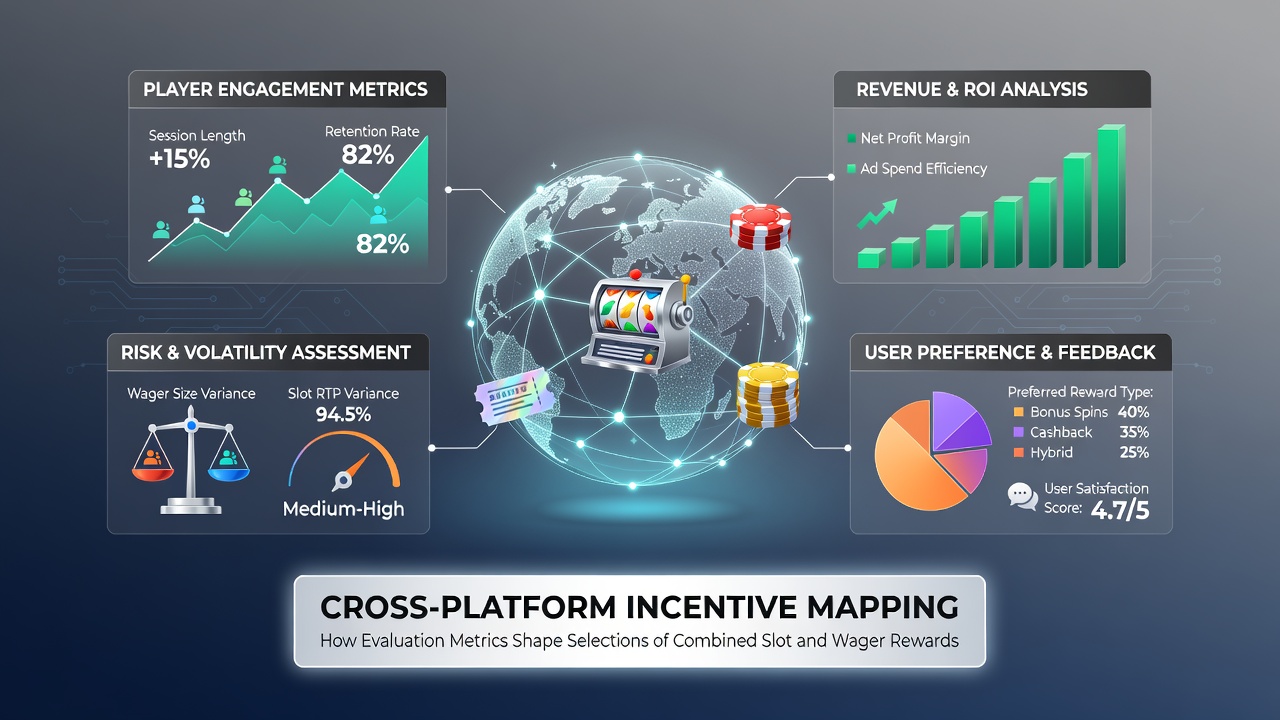
Cross-Platform Incentive Mapping: Evaluation Metrics Guiding Combined Slot and Wager Rewards
Platforms that blend slot games with wager options have turned to structured incentive mapping as a core strategy, and evaluation metrics determine which reward combinations gain priority in July 2026. Observers note that operators track player retention rates alongside average wager values to decide whether a combined offer should emphasize free spins or boosted odds on sports events. Data from industry reports shows these metrics shift rapidly when new player segments enter hybrid sites, prompting adjustments that favor certain reward bundles over others.
Evaluation frameworks often start with conversion rates from initial deposits to repeated activity, while cost-per-acquisition figures help teams weigh the expense of slot ignition bonuses against wager-based free bets. Researchers at academic centers have documented how platforms refine these calculations monthly, incorporating variables such as session duration and cross-product migration patterns. When metrics reveal higher engagement from wager-linked rewards, operators expand those elements in upcoming promotions.
Core Metrics Driving Selection Processes
Key indicators include return-on-investment calculations for each reward type, and these figures guide decisions on whether to pair slot trials with sports odds boosters. Teams review churn reduction percentages after combined offers launch, then compare results across different player cohorts. Studies from research institutions indicate that metrics tied to lifetime value calculations frequently override short-term bonus costs when long-term retention appears stronger through hybrid incentives.
Platforms also monitor redemption frequencies for slot rewards versus wager credits, and they adjust mapping rules when one category consistently outperforms the other. External benchmarks from organizations like the European Gaming and Betting Association provide comparative data that helps operators validate internal findings against broader market trends. As July 2026 progresses, several sites have recalibrated their combined reward structures after reviewing updated ROI data that highlighted stronger migration between slots and wagers when incentives are stacked strategically.
Integration of Slot and Wager Reward Layers
Mapping processes connect slot ignition bonuses directly to wager multipliers, and evaluation metrics determine the exact ratios that maximize uptake. Analysts examine how quickly players move from one product to the other after claiming a combined reward, then refine eligibility criteria accordingly. Figures reveal that platforms using granular tracking achieve more precise alignment between player preferences and available incentive packages.
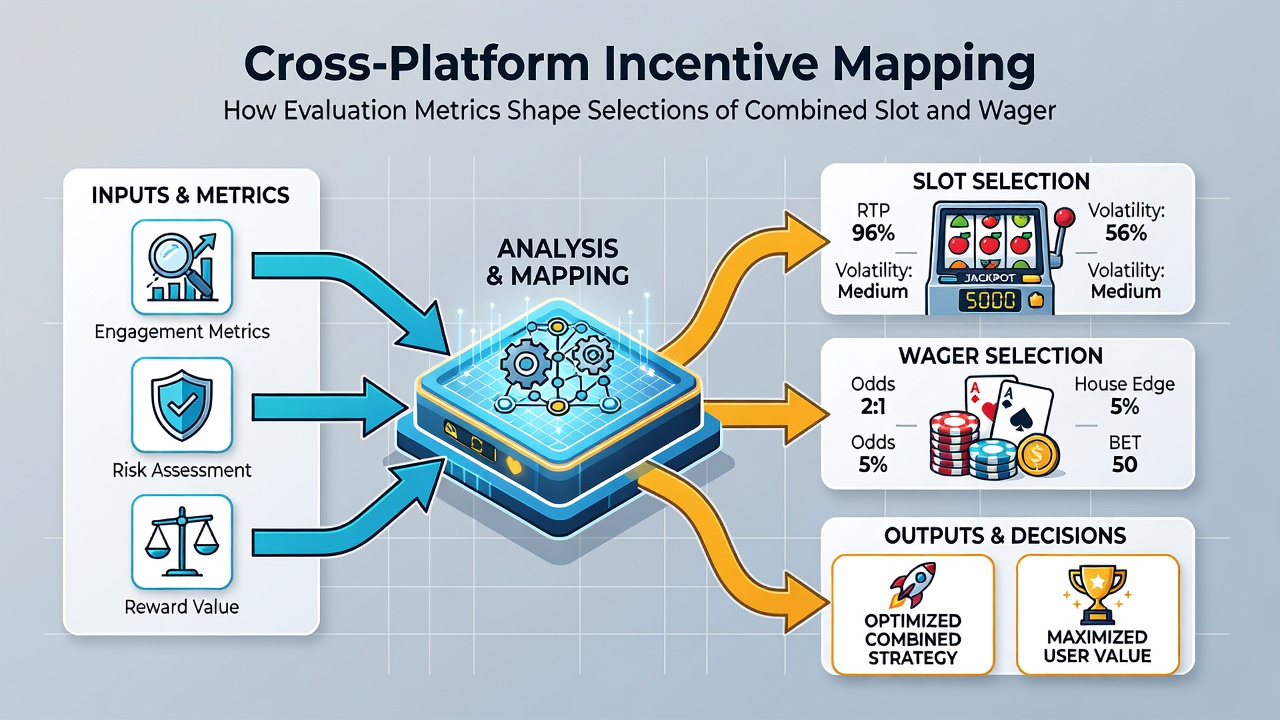
Those who've studied platform behavior note that metrics around bonus wagering requirements play a decisive role, especially when operators test higher thresholds on wager components while keeping slot trials lighter. Australian Gambling Research Centre reports have examined similar cross-product dynamics, and their findings support the use of segmented metric analysis to avoid overextending reward budgets. Operators therefore prioritize data points that signal genuine product exploration rather than isolated bonus claims.
Regional Variations in Metric Application
Different jurisdictions apply evaluation standards with varying emphasis, and platforms adapt their mapping logic to comply with local reporting demands. In regions outside the UK, metrics around responsible play indicators gain additional weight when combined rewards are designed. Research papers from the International Gaming Institute at the University of Nevada have explored how these regional differences influence which hybrid incentives reach the market first.
Teams compare uplift in average revenue per user across slot-wager bundles, and they discard combinations where metrics fall below established thresholds. This iterative approach allows continuous refinement without relying on static reward templates. Observers note that platforms maintaining detailed metric dashboards respond faster to shifts in player behavior patterns observed during mid-2026 campaigns.
Conclusion
Cross-platform incentive mapping relies on layered evaluation metrics that connect slot and wager reward performance, and operators continue refining these systems as new data emerges. The process ensures that combined offers align with measurable player responses rather than broad assumptions. Continued attention to retention, conversion, and ROI indicators will shape future selections of hybrid reward structures across the sector.