Cross-Platform Entry Mechanics: Structuring Zero-Deposit Access in Merged Odds and Reel Environments
Erik Wagner · Jul 23, 2026
Cross-Platform Entry Mechanics: Structuring Zero-Deposit Access in Merged Odds and Reel Environments
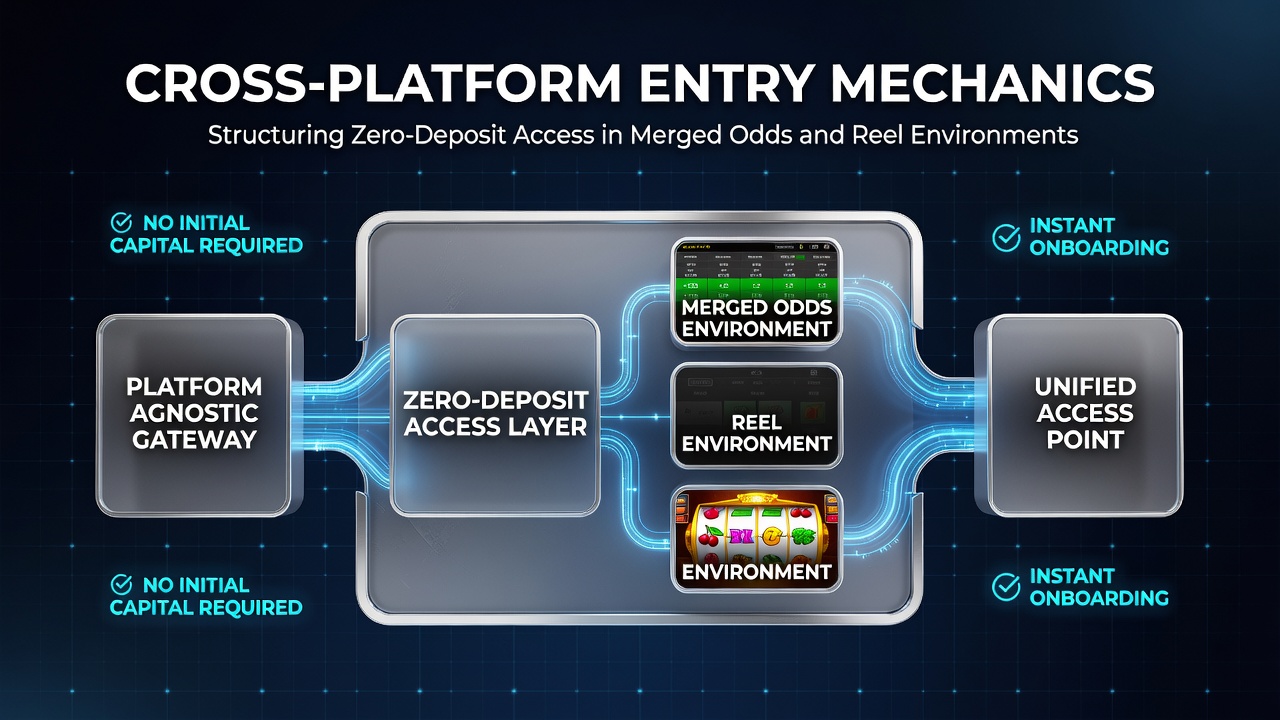
Platforms that merge sports betting odds with casino reels have developed structured entry systems that grant zero-deposit access across both environments, and these mechanics rely on unified account frameworks that verify eligibility once while distributing play credits to separate verticals. Operators implement registration flows that trigger bonus allocation without requiring initial funds, which allows users to engage with odds markets and reel games through the same profile. Data from industry reports indicate that such systems reduce friction by consolidating verification steps, and this approach appears in multiple jurisdictions where hybrid operators maintain separate ledgers for betting and gaming activity.
Account Integration and Bonus Allocation Processes
Zero-deposit entry begins with a single registration that links a user's profile to both odds and reel sections, after which automated systems apply credits according to predefined rules that split value between the two environments. Observers note that many platforms route these credits through a central wallet that converts or segments balances for each vertical, while compliance checks occur in the background to meet regional standards. Research from the American Gaming Association shows that integrated platforms in regulated markets have increased account creation rates when zero-deposit options span multiple product types, and the same studies highlight how these structures maintain separate transaction records to satisfy tax and reporting requirements.
Allocation logic often assigns a portion of the credit to odds wagers and another portion to reel spins, with expiration timers that apply uniformly across the merged setup. Those who have examined platform documentation find that operators use conditional triggers, such as completing a profile verification or opting into marketing, to unlock the full cross-platform value. In July 2026 several hybrid sites adjusted their timers to align with seasonal events in both sports calendars and slot releases, which demonstrates how operators synchronize access windows to maximize engagement without altering core deposit-free mechanics.
Verification Layers and Regional Compliance Variations
Verification layers sit at the core of zero-deposit structures, and platforms apply identity checks that satisfy both betting and gaming regulators before releasing any credits. Australian regulatory bodies have documented similar verification sequences in their oversight of hybrid operators, where a single document upload satisfies multiple product categories. This consolidated process reduces duplicate submissions while preserving audit trails that regulators require for each vertical. Canadian provincial frameworks similarly permit unified accounts when operators demonstrate that zero-deposit credits remain segregated until wagering or spinning begins, and these rules encourage platforms to embed compliance flags directly into the entry flow.
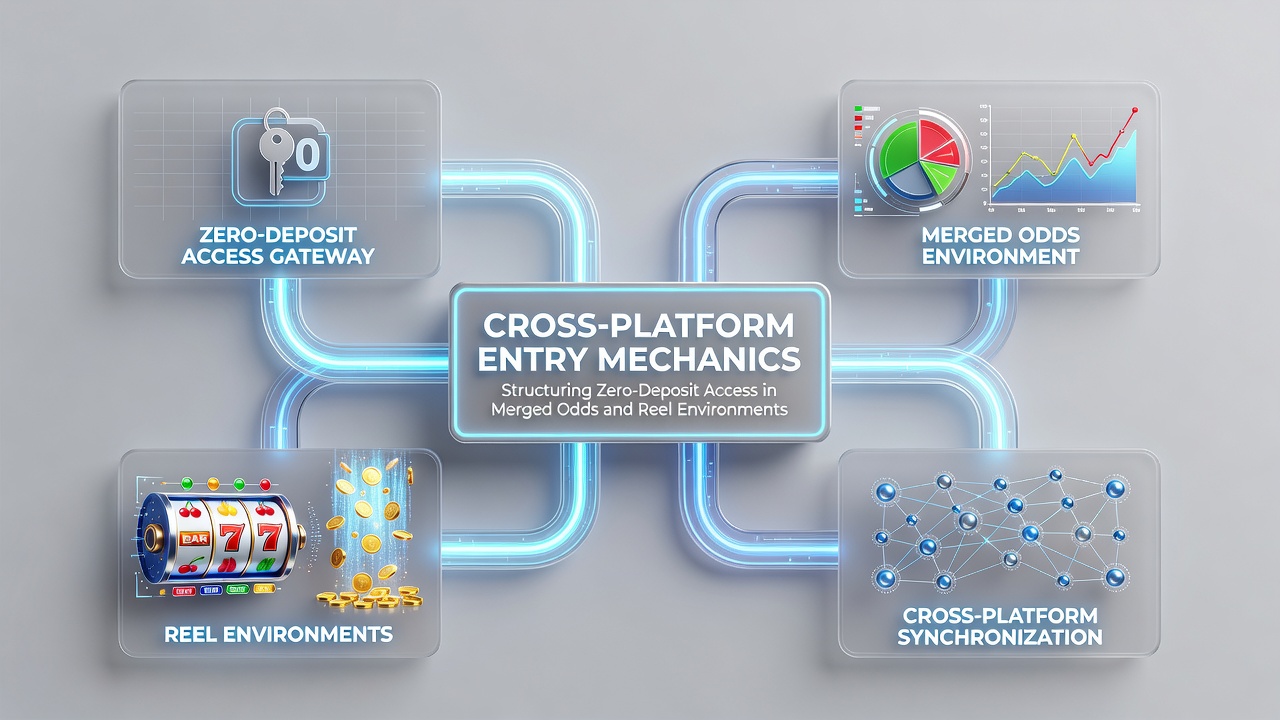
Platforms further differentiate access by tagging credits with product-specific restrictions, so credits intended for odds cannot migrate to reels and vice versa. Figures from European gaming associations reveal that such tagging helps operators track usage patterns across merged environments without violating cross-border rules. Those patterns inform adjustments to bonus structures, and operators refine the split ratios based on observed play distribution rather than fixed formulas.
Technical Implementation of Unified Wallets
Unified wallets serve as the technical backbone that supports zero-deposit access, and developers code these systems to recognize bonus types at the point of redemption. When a user selects an odds market or a reel title, the wallet routes the appropriate credit pool while logging the transaction against the original bonus terms. Industry reports from research institutions in Asia-Pacific markets describe how these wallets incorporate real-time balance checks that prevent over-allocation, and the same reports note that error-handling routines return users to the registration screen if verification remains incomplete. The result is a seamless transition from entry to play that spans both environments without separate logins.
Operators also embed promotional codes that activate cross-platform credits during the initial session, and these codes often carry unique identifiers that track performance across verticals. Data collected through such identifiers allows platforms to measure retention in merged settings, and external audits confirm that the underlying mechanics remain consistent with licensing conditions in each jurisdiction.
Conclusion
Cross-platform entry mechanics continue to evolve as operators refine the structures that deliver zero-deposit access within merged odds and reel environments. Account integration, verification layers, and unified wallets form the primary components that enable this access, while regional compliance frameworks shape how credits are tagged and tracked. Reports from multiple regulatory bodies and industry organizations document the technical and operational patterns that sustain these systems, and ongoing adjustments in July 2026 reflect responses to seasonal and market-specific factors. The documented approaches maintain separation between product categories while providing unified entry points that operators manage through centralized profiles and segmented balances.